FHFA Announces Guidance for Small Businesses Regarding PPP Loans – NMP Skip to main content

FHFA Announces Guidance for Small Businesses Regarding PPP Loans

Apr 24, 2020
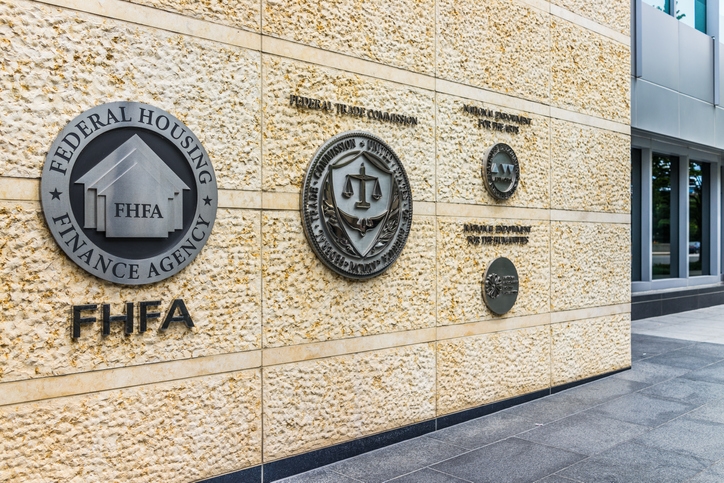
Photo credit: Getty Images/krblokhin

To support small and community banks, the Federal Housing Finance Agency has announced that Federal Home Loan Banks (FHLBanks) can accept Paycheck Protection Program (PPP) loans as collateral when making loans, called advances, to their members.
 
FHLBanks can accept loans guaranteed by the Small Business Administration (SBA) under the PPP, provided FHLBanks comply with certain safety and soundness requirements. On April 3, the Small Business Administration launched PPP, a $349 billion emergency loan program. On Friday, President Trump signed a measure increasing the funding available through the PPP. 
 
To date, the FHLBanks have been able to meet the needs of their members, especially small and community banks, during the COVID-19 national emergency. Accepting PPP loans will provide additional liquidity for small and community banks to borrow from their FHLBank to support the small businesses in their communities.

 
About the author
Published
Apr 24, 2020
CFPB Closes 40% Of Investigations, Keeps Mortgage Enforcement In Focus

The federal watchdog closed thousands of supervisory and investigative matters as it narrowed oversight

Midterms Loom With Mortgage Policy Changes Already In Motion

As voters head to the polls Tuesday, Washington is weighing changes to refinancing costs, loan pricing, and lending regulations

UAD 3.6 Deadline Is Monday. Are Brokers Ready?

Wholesale lenders have adopted different rules for appraisal transfers, loan product changes, and reporting formats, adding complications for brokers and appraisers ahead of the Nov. 2 mandate

Friday Harbor Expands AI Appraisal Reviews As UAD 3.6 Deadline Nears

The new capability adds more than 350 automated checks as lenders prepare for the November 2 mandate

Oct 27, 2026
The Hidden Cost Of Appraisal Uncertainty

As home equity lending grows, lenders need a better way to resolve conflicting property evidence before it creates costly setbacks