Federal Agencies Announce CRA Changes to Address High Foreclosure Rate – NMP Skip to main content

Federal Agencies Announce CRA Changes to Address High Foreclosure Rate

Dec 16, 2010

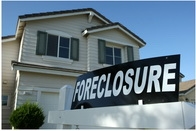
The federal bank and thrift regulatory agencies have announced changes to Community Reinvestment Act (CRA) regulations to support stabilization of communities affected by high foreclosure levels. The final rule is substantially the same as the proposal published for comment on June 24, 2010. It encourages depository institutions to support eligible development activities in areas designated under the Neighborhood Stabilization Program (NSP) administered by the U.S. Department of Housing & Urban Development (HUD). Under the NSP, HUD has provided funds to state and local governments and nonprofit organizations for the purchase and redevelopment of abandoned and foreclosed properties. The new rule encourages depository institutions to make loans and investments, and provide services to support NSP activities in areas with HUD-approved plans. The final rule reflects the broad support expressed by public comments for the agencies’ proposal to expand existing CRA consideration for neighborhood stabilization activities. NSP-eligible activities will receive favorable consideration under the new rule if conducted within two years after the date when NSP program funds are required to be spent. Allowing banking institutions to receive CRA consideration for NSP-eligible activities in additional NSP-targeted areas serves the purposes of the CRA and creates an opportunity to build upon government programs in areas with high rates of foreclosure and vacancy. CRA consideration is not limited to activities actually receiving NSP funds and may include other eligible activities in NSP plan areas. For more information, visit www.federalreserve.gov.
About the author
Published
Dec 16, 2010
FHFA Studies Credit-Report Changes To Cut Mortgage Costs

Pulte’s comments could signal either fewer bureau reports or a portable report borrowers could share among lenders, but FHFA has not clarified which approach it is studying

AI Errors Leave Mortgage Trustee Without Brief In Foreclosure Appeal

Outside counsel’s fabricated citations expose a third-party oversight risk for mortgage servicers, trustees, and investors

Sep 10, 2026
CHLA Wants Ginnie Mae Liquidity Backstop Ready Before Next Crisis

Proposed G-TALF facility could help prevent a servicing cash crunch from constraining FHA, VA, and USDA lending

FHFA Opens VantageScore To All GSE Lenders, Eyes Credit Report Overhaul

Pulte removes 50-lender cap while considering bi-merge and single-bureau reports as additional ways to reduce mortgage costs

Closing Costs: What HUD’s Proposed Rule Will Really Do To The Market

HUD’s proposed rollback of housing protections could deepen barriers for underserved borrowers, shrink the pool of prospective homebuyers, and ultimately cost loan originators business

Aug 27, 2026
MISMO Gives Lenders A New Test For Mortgage AI Vendors

Two certifications move the industry’s FRAME initiative from governance guidance toward product-level validation and implementation

Aug 27, 2026


