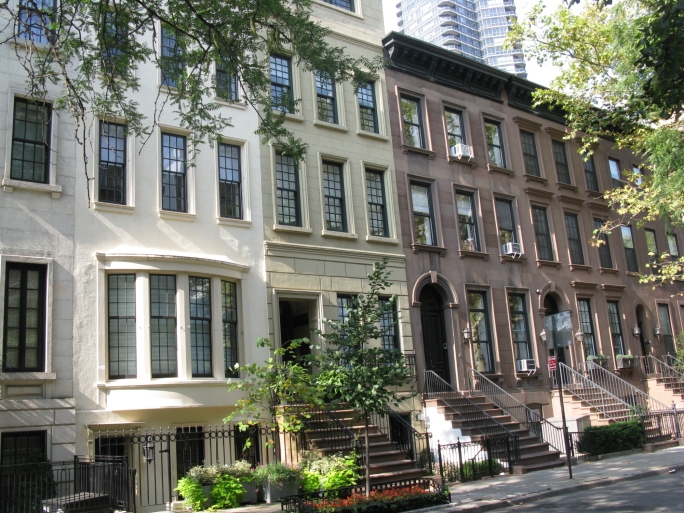
Two extraordinarily different housing environments—the in-your-face super-pricey Manhattan luxury residential scene and the under-the-radar Oklahoma market—are experiencing distinctive problems, but are managing to maintain their strength in the face of financial and geological tumult.
Over in the Big Apple, new development condo sales plummeted by 23 percent, dropping from 120 recorded sales in August to 92 in September, according to data from CityRealty.com. However, the prices of condos in new Manhattan developments showed no evidence of retreating, reaching a staggering average of $5.9 million. The average price per square foot in this distinctive residential setting was $2,562, a 27 percent increase from one year earlier and a three percent uptick from one month earlier.
But while the number of sales of Manhattan apartments was on the rise, the average sale price for these units fell to $1.9 million, a 1.4 percent dip from the previous month. Still, this is not a place for puny wallets: the average price of a Manhattan condo was $3 million and the average price of a co-op was $1.2 million.
Out in Oklahoma, home prices do not carry Manhattan price tags, but they are still generating handsome profits. According to data from ATTOM Data Solutions, home sales statewide increased 12 percent between the four quarters ending in the first quarter of 2014 and the four quarters ending in first quarter of 2016, while median home prices were up nine. Oddly, this has occurred despite an abnormal spike in earthquakes—a 375 percent increase in activity during this period—and a 19 percent jump in foreclosures during this period.
“Oil prices that plummeted 64 percent during the same two-year period could also be contributing to the rise in foreclosure activity across the state, although it’s important to note that foreclosure activity actually decreased 14 percent during the same time period in Tulsa County, where no earthquake epicenters were reported,” said Daren Blomquist, senior vice president at ATTOM Data Solutions. “Meanwhile in Oklahoma County, where earthquake activity increased 20 percent over the past two years, foreclosure activity increased 39 percent over the same time period.”