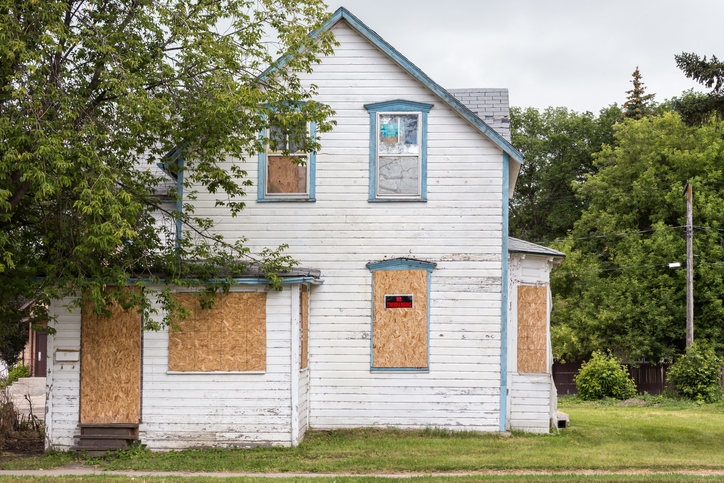
Stronger-than-expected market conditions have kept the zombies at bay, according to ATTOM's fourth quarter Vacant Property and Zombie Foreclosure Report, showing 1.4 million U.S. residential properties vacant, (1.3% of total homes) which is consistent with previous quarters. The report, based on ATTOM's real estate and vacancy data, also reveals a 3.3% quarterly decline in foreclosures to 215,601 properties, down 32.8% from the previous year. Among these, 7,100 are vacant zombie foreclosures, marking a slight quarterly increase, but a 20.2% annual decline.
Zombie foreclosures happen when a homeowner vacates their property after receiving a notice of mortgage default, before a pending foreclosure is finalized. These cases continue to constitute a small portion of housing, with one in every 14,591 homes classified as such. This trend, reflective of high equity levels and record home prices, is unlikely to change significantly, experts say.
“The near-total disappearance of zombie foreclosures has been and still is one of the more subtle, but important benefits of the country’s soaring housing market,” said ATTOM CEO Rob Barber, attributing this to high buyer demand even for abandoned homes.
In terms of quarterly shifts, zombie properties have increased in 30 states, typically by fewer than 20 homes, while remaining stable or declining in 20 others. Significant annual declines were recorded in Connecticut (87%), Iowa (76%), and North Carolina (73%). Meanwhile, Kansas (up 126%), Arizona (up 114%), and Florida (up 65%) showed notable increases.
Overall vacancy rates remained stable at 1.31%, with the highest rates in Oklahoma, Kansas, and Missouri, and the lowest in New Hampshire and Vermont. In major metropolitan areas, Peoria, IL, had the highest zombie foreclosure rate at 22.4%, while Cleveland, OH, led larger metros at 8.5%.
Additionally, 3.5% of the nation’s 25 million investor-owned homes are vacant, with Indiana and Illinois showing the highest rates. Among foreclosed, bank-owned homes, 13.9% are vacant, led by Missouri and Ohio. The highest county-level zombie foreclosure rates were seen in Broome County, NY, and Marion County, IN, with New York's zip codes dominating the top 100 areas for zombie properties.