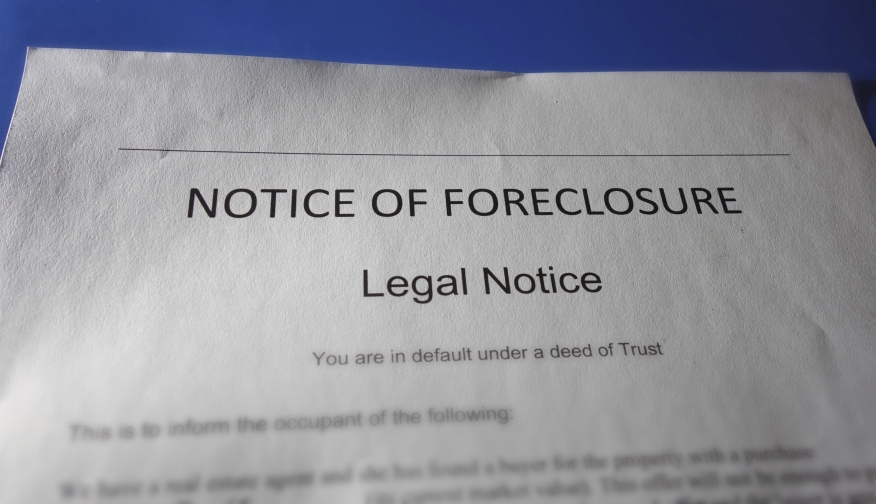
The Federal Housing Finance Agency (FHFA) has directed the government-sponsored enterprises (GSEs), Fannie Mae and Freddie Mac, to alter one of their policies relating to the sale of real estate-owned (REO) properties in their current inventory. The change will permit the two companies to sell existing REO properties to any qualified purchaser at the property’s fair-market value, as determined by the GSEs.
Prior to today’s directive, the Enterprises required homeowners who have been through foreclosure and want to buy their home back to pay the entire amount owed on the mortgage. This requirement similarly applied to anyone buying the home for the benefit of the previous homeowner. Under the new policy change for existing REO properties, former homeowners who are able to repurchase their home—or a third-party able to purchase on their behalf – may do so under the fair-market value policy that already applies to other purchasers of REO properties.
The policy change is limited to Fannie Mae and Freddie Mac REO inventory of single-family homes as of Nov. 25, 2014. Fannie Mae and Freddie Mac have approximately 121,000 properties in their combined REO inventory. Certain property exclusions may apply and will be handled by the Enterprises on a case-by-case basis.
“This is a targeted, but important policy change that should help reduce property vacancies and stabilize home values and neighborhoods,” said FHFA Director Mel Watt. “It expands the number of potential buyers of REO properties and is consistent with the Enterprises’ practice of requiring fair-market value for those properties.”
Under existing GSE rules, former borrowers must wait a minimum of three years after a foreclosure to be eligible to receive a loan purchased or guaranteed by Fannie Mae or Freddie Mac. The purchase of an REO property for the benefit of the previous owner must also still be intended for use by that owner as their principal place of residence.