


Step Inside Ginnie Mae: The Ginnie Mae Difference – NMP Skip to main content

Step Inside Ginnie Mae: The Ginnie Mae Difference

Jul 14, 2016

Ginnie Mae is a self-sustaining government corporation that provides access to mortgage credit for millions of families. Our common security leads to increased competition among lenders in the Ginnie Mae program. Ultimately, borrowers from students to seniors get the lowest possible rates.

Like the Federal Deposit Insurance Corporation (FDIC), Ginnie Mae monitors the safety and soundness of every lender authorized to issue a Ginnie Mae mortgage-backed security (MBS). This is how we safeguard our government backing and the “30-year mortgage.” We return money to the government every year, helping to reduce the deficit. And, unlike the government-sponsored enterprises (GSEs)—Fannie Mae and Freddie Mac—we’ve never needed a bailout.

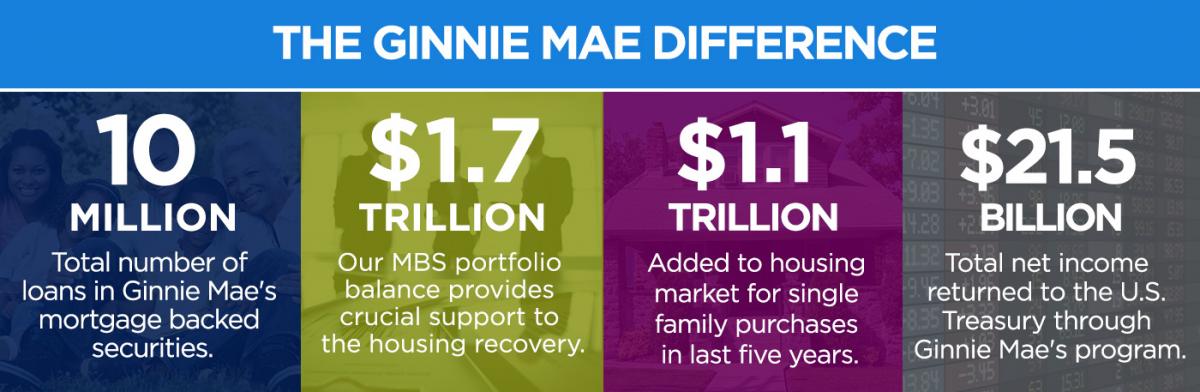
The Ginnie Mae difference has been critical to supporting the housing recovery. From the 10 million loans in our MBS to the $21.5 billion, we’ve returned to the United States Treasury, Ginnie Mae will continue to play a key role supporting the U.S. housing industry.


Ted W. Tozer is was sworn in as president of Ginnie Mae on Feb. 24, 2010, bringing with him more than 30 years of experience in the mortgage, banking and securities industries. As president of Ginnie Mae, Tozer actively manages Ginnie Mae's $1.5 trillion portfolio of mortgage-backed securities (MBS) and more than $460 billion in annual issuance.


This article originally appeared in the May 2016 print edition of National Mortgage Professional Magazine.

About the author
Published
Jul 14, 2016
Insuring The Risk To Lenders At Closing

Traditional protections like title insurance and closing protection letters may leave lenders exposed to significant settlement, funding, and fraud-related losses

CHLA Uses Trump Mortgage Order To Renew Push For LO Comp Reform

Community lenders want more flexibility over employee compensation, closing-cost estimates, down payment assistance, and federal supervision of smaller IMBs

Servicers Begin Testing Systems Ahead of VA Partial Claim Deadline

VA lenders and servicers have until Nov. 28 to implement the new loss mitigation waterfall and Partial Claim Program

ROAD Act’s Housing Incentive May Be Too Small To Move Supply

Realtor.com finds the median city risks losing only about $84,000, although the policy could carry more weight in supply-starved Northeast and Midwest markets

CRA Proposal Could Reshape Bank Lending And Affordable Housing Investment

The OCC and FDIC would put more weight on lending while easing community development requirements for hundreds of banks

Fannie Mae AI Governance Deadline Arrives Aug. 6

Seller/servicers using artificial intelligence in origination or servicing must have formal policies, oversight, and vendor controls in place


