 Fannie Mae and Freddie Mac could require a taxpayer bailout of up $126 billion in the event the global economy turns sour, according to the latest stress test performed on the government-sponsored enterprises (GSEs) by their regulator, the Federal Housing Finance Agency (FHFA).
As part of the 2016 Dodd-Frank Act Stress Tests on the GSEs, the FHFA ran a “Severely Adverse Scenario” that depicts an acute global recession complicated by elevated corporate stress and negative yields on short-term U.S. Treasury securities. This miasma scenario would also include home prices plummeting decline by approximately 25 percent through the third quarter of 2018 while commercial real estate prices crash by 30 percent through mid-2018.
In this potential nightmare, the FHFA warned, the GSEs would not fare well.
“As of December 31, 2015, the Enterprises have drawn a combined $187.5 billion from the Department of the Treasury under the terms of the Senior Preferred Stock Purchase Agreements (the PSPAs),” the FHFA stated in its summary of the stress test. “The combined remaining funding commitment under the PSPAs as of December 31, 2015 was $258.1 billion. Under the Severely Adverse scenario, incremental Treasury draws are projected to range between $49.2 billion and $125.8 billion depending on the treatment of deferred tax assets. The remaining funding commitment under the PSPAs after the projected draws ranges between $208.9 billion and $132.2 billion depending on the treatment of deferred tax assets.”
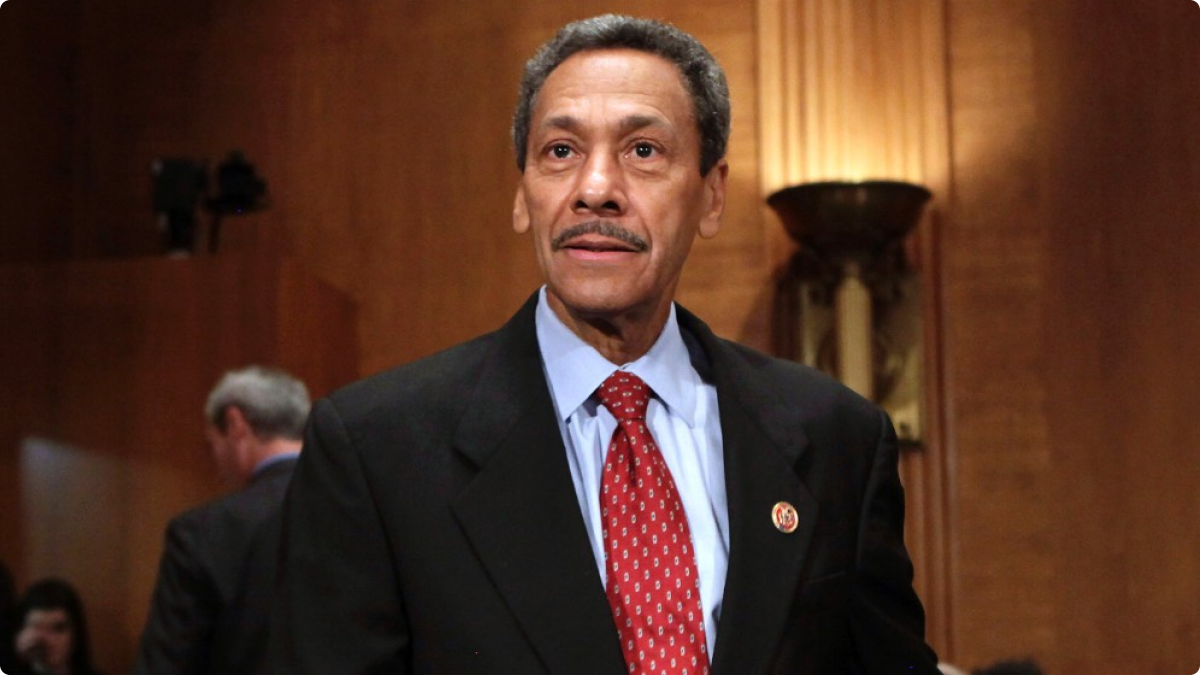
The FHFA, in releasing its report, emphasized that the scenario it created for the stress test was merely a “hypothetical future economic environment designed to assess the strength of the Enterprises and other financial institutions and their resilience to unfavorable market conditions.” FHFA Director Mel Watt offered no public comment on the results of the stress test.