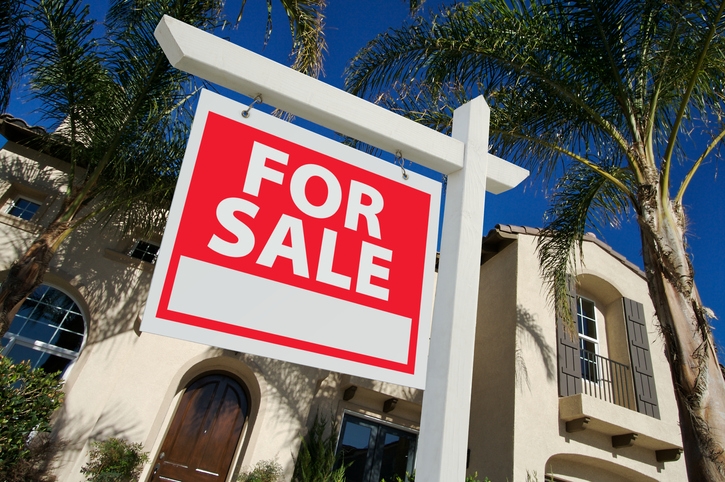
Total existing-home sales increased by two percent last month to a seasonally adjusted annual rate of 5.60 million from an upwardly revised 5.49 million in September, according to new data from the National Association of Realtors (NAR). October’s sales pace is 5.9 percent higher on a year-over-year basis and is the highest recorded by NAR since February 2007’s level of 5.79 million.
Lawrence Yun, NAR chief economist, says the wave of sales activity the last two months represents a convincing autumn revival for the housing market.
“October’s strong sales gain was widespread throughout the country and can be attributed to the release of the unrealized pent-up demand that held back many would-be buyers over the summer because of tight supply,” Yun said. “Buyers are having more success lately despite low inventory and prices that continue to swiftly rise above incomes. The good news is that the tightening labor market is beginning to push up wages and the economy has lately shown signs of greater expansion. These two factors and low mortgage rates have kept buyer interest at an elevated level so far this fall.”
Also on the rise was the median existing-home price: $232,200, up six percent from October 2015’s level of $219,100. October’s price increase marks the 56th consecutive month of year-over-year gains.
But there were also some declines recorded in October: Total housing inventory dropped by declined 0.5 percent to 2.02 million existing homes available for sale, and is now 4.3 percent lower than a year ago. This marked the 17th consecutive month that the inventory rate fell on a year-over-year basis. And there were also fewer first-time homebuyers: 33 percent of October’s sales went to housing neophytes, down from 34 percent in September but up from 31 percent a year ago.
NAR Chief Economist Lawrence Yun warned that the housing picture could be a little more complicated in the coming year.
“As a result of the anticipated economic stimulus in early 2017, mortgage rates post-election have now surged to around four percent as investors expect a strengthening economy and higher inflation,” said Yun. “In the short-term, some prospective buyers may rush to lock in their rate and buy now, while others–especially those in higher-priced markets–may be forced to delay as a larger monthly payment outstretches their budget.”