Trump Nominates James Clinger for FDIC Post – NMP Skip to main content

Trump Nominates James Clinger for FDIC Post

Jun 19, 2017

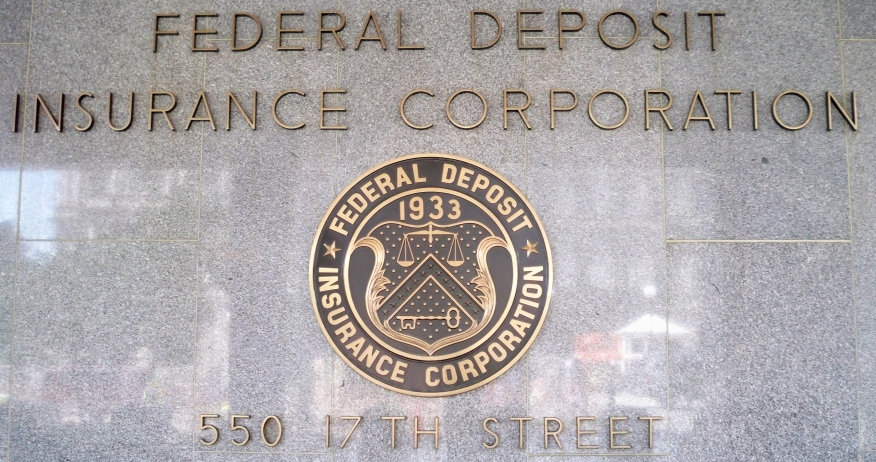
President Trump has announced his intention to nominate James Clinger as a member of the Federal Deposit Insurance Corporation (FDIC) for a six-year term, which will include a five-year tenure as the agency’s banking regulator, effective Nov. 29.
 
Clinger has worked for the past 10 years as chief counsel for the House Financial Services Committee. He previously served as Deputy Assistant Attorney General from 2005-2007, and as senior banking counsel for the House Financial Services Committee from 2001-2005, and as assistant staff director for the committee from 1995-2001.
 
Before entering public service, he was a litigation attorney at the firm Sutherland Asbill and Brennan from 1987-1995. Clinger graduated from University of Virginia with a BA in 1983 and a JD in 1987.

 
About the author
Published
Jun 19, 2017
West Capital LO Challenges Contractor Status, Required Fees

A former originator alleges unpaid overtime, recurring tech charges, and company restrictions that he says undermine his independent-contractor status

CFPB Closes 40% Of Investigations, Keeps Mortgage Enforcement In Focus

The federal watchdog closed thousands of supervisory and investigative matters as it narrowed oversight

Midterms Loom With Mortgage Policy Changes Already In Motion

As voters head to the polls Tuesday, Washington is weighing changes to refinancing costs, loan pricing, and lending regulations

UAD 3.6 Deadline Is Monday. Are Brokers Ready?

Wholesale lenders have adopted different rules for appraisal transfers, loan product changes, and reporting formats, adding complications for brokers and appraisers ahead of the Nov. 2 mandate

Friday Harbor Expands AI Appraisal Reviews As UAD 3.6 Deadline Nears

The new capability adds more than 350 automated checks as lenders prepare for the November 2 mandate

Oct 27, 2026
The Hidden Cost Of Appraisal Uncertainty

As home equity lending grows, lenders need a better way to resolve conflicting property evidence before it creates costly setbacks