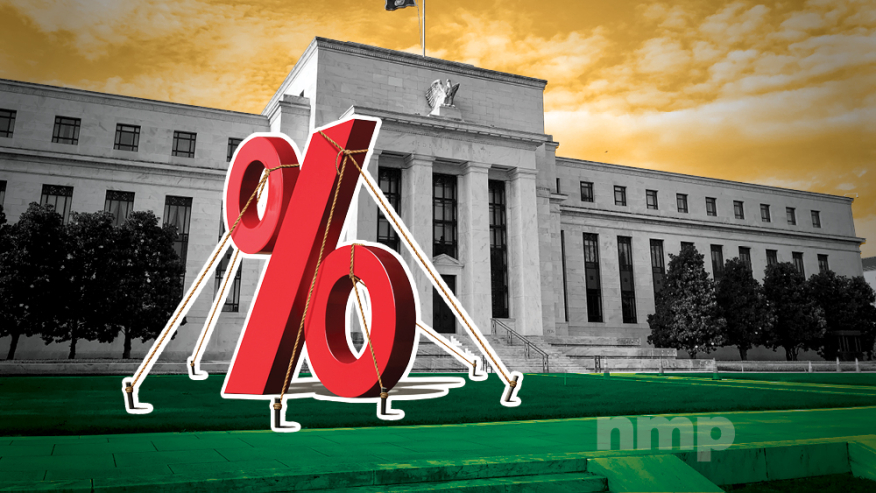
The Federal Reserve’s Federal Open Market Committee (FOMC) opted Wednesday to maintain the target range for the federal funds rate at 3.50%–3.75%, marking a pause in policy adjustments as the U.S. economy shows divergent indicators.
In its policy statement, the FOMC noted that “available indicators suggest that economic activity has been expanding at a solid pace,” while acknowledging labor market softness with “job gains [that] have remained low” and signs of stabilization in the unemployment rate. Inflation, however, remains somewhat above the central bank’s longer‑run objective of 2%, underscoring continued uncertainty in price trends.
The decision reflects a broader balancing act in the Fed’s dual mandate to promote maximum employment and price stability. Policymakers emphasized continued monitoring of incoming data and pledged to weigh the evolving outlook and risk environment carefully before making further adjustments to the monetary policy stance.
Federal Reserve Chair Jerome H. Powell and a majority of Governors backed the decision, while two officials — Stephen I. Miran and Christopher J. Waller — dissented, expressing their preference for a quarter‑point reduction at this meeting. Their stance signals continued debate within the FOMC over the appropriate pace and direction of rate policy.
“While not a unanimous vote, there does seem to be a clear and consistent majority in favor of a pause in this rate-cutting cycle, a pause that likely continues unless or until the job market weakens further," noted Mortgage Bankers Association (MBA) SVP and Chief Economist Mike Fratantoni. "With inflation remaining elevated, the FOMC majority does not seem in any rush to make further rate moves."
A Fed rate hold tends to stabilize the mortgage market — keeping rates, demand, and refi activity predictable — but it doesn’t dramatically improve affordability unless other factors (like incomes rising or home prices falling) come into play.
“The Fed’s holding pattern clouds the picture for mortgage rates in 2026," said Eric Orenstein, senior director at Fitch Ratings. "After steadily declining for the last eight months, it’s unclear if and when they will pass the critical 6% mark.”
Bill Banfield, chief business officer at Rocket Mortgage, added: “The housing market doesn’t turn on a single rate decision — it turns when people can plan with confidence. Even without a cut today, mortgage rates are nearly a full percentage point lower than they were a year ago, when rates hovered around 6.9%. That kind of steady, year-over-year improvement is what builds buyer confidence and pulls people back into the market.”
Freddie Mac reports the 30-year fixed-rate mortgage (FRM) averaged 6.09% as of January 22, 2026, up slightly from last week when it averaged 6.06%.
“Buyers and homeowners have largely accepted that 5.5% to 6.5% is the new normal,” added Banfield. “When rates fall below 5.99%, Rocket typically sees demand rise by about 30%. This isn’t a coincidence. This is clear evidence that rates starting with a five flip a psychological switch. Over the last few years, that’s the range where buyers and refinancers stop waiting on the sidelines and start taking action.”
The FOMC’s statement also reiterated its commitment to “returning inflation to its 2% objective,” underscoring that policy flexibility will remain contingent on both inflation pressures and labor market developments.
The next FOMC Meeting is set for mid-March, and will be closely monitored for indications of whether the Fed will resume easing or consider tightening measures in response to shifts in economic momentum and expectations.
“2026 could follow a similar pattern to 2024 and 2025, when the Fed cut rates in succession, then held steady for much of the year before moving again later on,” said Banfield. “While rate cuts matter, the biggest wildcard this year is policy. Bold, meaningful housing policies that increase supply and improve affordability could ease the lock-in effect alongside additional rate cuts.”
Fratantoni added: "MBA’s forecast has been for mortgage rates to remain in a relatively narrow trading range for the foreseeable future, likely remaining between 6% and 6.5% for 30-year conforming loans. The news from this meeting does not change our forecast for mortgage rates. We expect that this level of rates will help support a somewhat stronger spring housing market than last year, but not a breakout year.”
Dr. Selma Hepp, chief economist for Cotality, commented: "While the Federal Reserve is maintaining interest rates in order to try to bring inflation levels closer to its target, uncertainties surrounding the economy remain elevated. The job market remains a sticking point, even though the economy as a whole remains on solid ground. With tariffs continuing to impact pricing on so many consumer products, pressure will remain to find stronger solutions that would help lower the cost of everyday items for families."