Whenever I hear the term "AI," it tends to annoy me. Not because I don't appreciate the value and impact this technology is having and will continue to have on society and business, but because it is such a broad and all-encompassing term.
People bandy AI about as if they are referring to their favorite sports team or something. The concept of “artificial intelligence” is very complex and involves many different technologies, many different applications, and many different outcomes.
In the mortgage industry, using the term AI is like trying to convince people you are in sync with the latest advances in technology. However, after a few broad comments, very few can articulate exactly what AI is doing to improve the mortgage process beyond perhaps the digital collection and dissection of data.
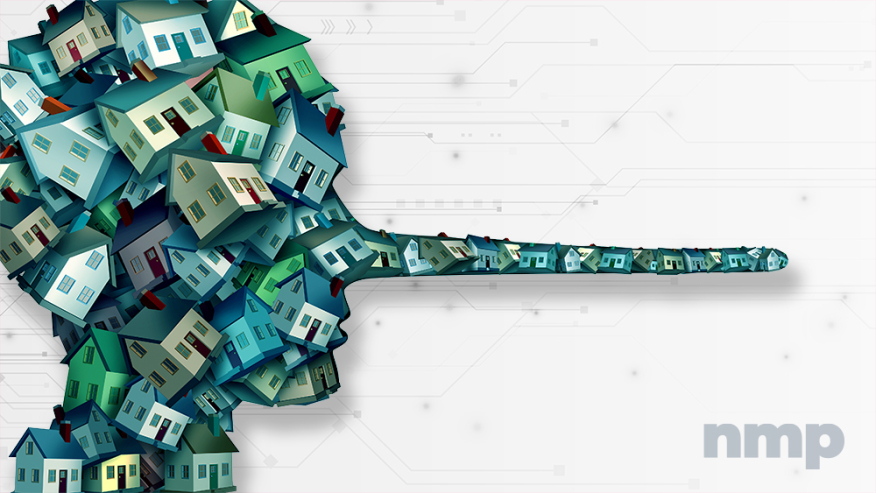
What does this have to do with mortgage fraud? Nearly every day I read something about how mortgage AI will improve the customer experience, reduce costs, and make everything faster and more efficient. Yet every technology solution has a downside.
For the mortgage industry and for fraud, we have learned that criminals know the term AI too. The great strides (if you can call it that) in modern fraud have also been technology-based. Using technology to infiltrate operating systems, mask identities, ignite business email compromise, create fake documents, manufacture fake identities — all these things are happening right now. Using AI to create video images of real persons (deep fakes) and voice duplication to copy the voices of real persons (voice spoofing) are just some things we are just beginning to see utilized. The future of criminal activity using AI is also here and it is a bit terrifying.
Also to be considered is that the mortgage industry is filled with thousands of entities who have access and control over consumer information, mortgage proceeds, and collateral security documents 一 including banks, credit unions, mortgage lenders, attorneys, title agents, escrow officer, notaries, and real estate agents. These disciplines come in all shapes and sizes, have varying levels of education and training, insurance, licensing and regulatory supervision. Smaller businesses among this group are already having a tough time keeping up with affirmative technology, let alone identifying and preventing fraud through the use of criminal technology schemes.
So I am all for talking up "AI," but let's spend a bit more time talking about the downside and what we can do to better protect consumers, assets, and business reputation from its misuse.
If you are like me, the idea of mortgage fraud keeps me up at night.