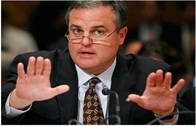
Sen. Mark Pryor (D-AR) has submitted a letter to Ben S. Bernanke, chairman of the Federal Reserve Board (FRB), seeking the postponement of the Fed’s rules on loan originator (LO) compensation, set to take effect April 1, 2011, Regulation Z; Docket No. R-1366, Truth-in-Lending. In his letter to Bernanke, Sen. Pryor requests and seeks a "proactive education campaign to inform mortgage brokers and lenders of the requirements in the rule."
Sen. Pryor's letter is the latest in a series of written Congressional requests to Bernanke and the Federal Reserve, including a bi-partisan letter co-authored by United States Sens. David Vitter (R-LA) and Jon Tester (D-MT), and a letter dated March 15 where 31 members of the House Financial Services Committee (HFSC), chaired by Rep. Spencer Bachus (R-AL). In both cases, the letters sought an extension of the implementation date for the April 1, 2011 LO compensation rule effective date.
Rep. Bachus, co-chair of the HFSC, wrote to Bernanke as well to express his concerns with a March 15, 2011 letter.
"As we learned during the previous two years, many aspects of the Board's final rule rsie concerns among consumers and the industries that serve them," said Rep. Bachus in his letter. "Allowing additional time for implementation would help to ensure that the final rule accomplishes the Fed's goals while eliminating potential misunderstanding or confusion for all interested stakeholders."
The position taken by Sen. Pryor in his letter mirrors the view of mortgage industry trade groups, including the National Association of Mortgage Brokers (NAMB) who, along with six other industry groups, submitted a letter seeking similar clarification.
"I urge the Board to commence a proactive education campaign to inform mortgage brokers and lenders of requirements in the rule," said Sen. Pryor in his letter to Bernanke. "Webinars, seminars and conference calls can be effective tools to education loan originators and answer their questions."
Sen. Pryor cited an SBA Office of Advocacy letter where the SBA also requested a delay in the April 1st rule enforcement based on the grounds that a compliance manual was never issued by the Federal Reserve. Federal law mandates that a compliance guide is required by the Small Business Regulatory Enforcement Fairness Act (SBREFA).
"Advocacy stated that the compliance guide has insufficient information to enable a small entity to know what requirements of the rule have been met," said Sen. Pryor. "I recommend that the Board postpone the implementation date for this rule for a short time until the industry, the Board and the SBA Office of Advocacy agree that a workable compliance guide is available."