Not long ago, producing a convincing paystub or bank statement required time, design skill, and a fair amount of patience. Today, a person can use generative AI to draft the language, calculate plausible figures, and polish the presentation in less time than it takes to complete a mortgage application form. A document can look professional in 30 seconds. That does not make it genuine.
This change matters because mortgage underwriting still depends heavily on documents. Paystubs, bank statements, employment letters, tax records, and identity files help lenders understand income, assets, and the borrower’s overall financial position. Those records remain essential, but their appearance is no longer a reliable measure of authenticity.
A clean layout, a familiar logo, and a consistent font once carried some practical weight. They suggested that a document came from an established payroll provider, bank, or employer. Generative AI and readily available editing tools have weakened that assumption. Visual polish is now cheap. The harder question is whether the information, structure, and history of the document make sense together.
The Problem Is Not Limited To Obvious Fakes
The most difficult documents are rarely the ones with a glaring typo or a badly copied logo. They are the files that look ordinary at first glance. A paystub may use the right employer name and believable deductions. A bank statement may contain realistic transactions and balances. An employment letter may sound professional and include a legitimate company address.
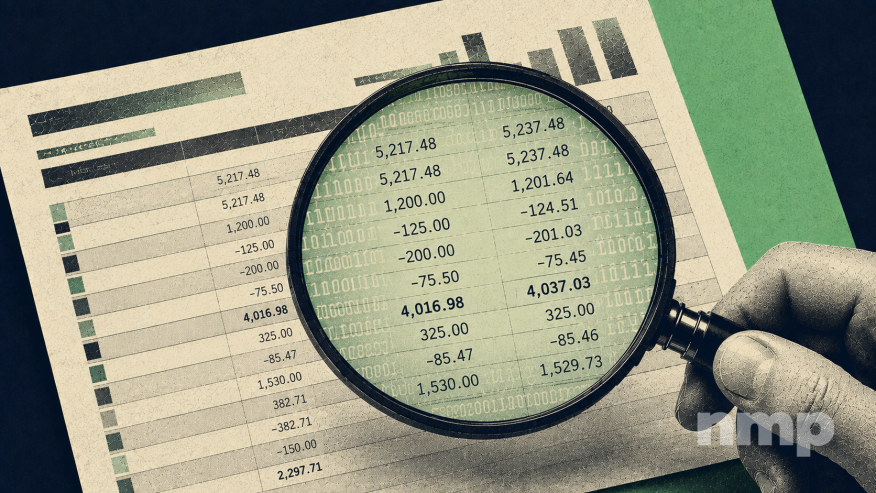
The risk often appears in the relationships between the details. Gross pay may not match the stated hourly rate and hours worked. Year-to-date earnings may not align with the pay period. Beginning and ending balances may not reconcile with the transactions shown. Dates may be inconsistent across the application, the supporting documents, and the borrower’s explanation.
These are not always signs of deliberate fraud. Payroll corrections, banking delays, formatting changes, and simple clerical mistakes happen. That is why a suspicious detail should be treated as a reason to review, not as proof of wrongdoing.
Accurate Data Extraction Is Not The Same As Authentication
Lenders have made major progress in automating document intake. Optical character recognition can read names, dates, balances, and income figures quickly. That reduces manual entry and helps underwriters move files through the process more efficiently.
But extraction answers a different question from authentication. OCR can read a number perfectly even if that number was edited five minutes earlier. It can capture an employer name from a document that never came from the employer. It can pull a bank balance from a screenshot that has been altered and re-saved.
This distinction is becoming more important as AI-generated and AI-assisted documents improve. A workflow may confirm that the data is legible and complete while missing the fact that the file itself contains inconsistencies. Underwriting teams therefore need to evaluate both the information on the page and the evidence surrounding how that page was created.
What Deserves A Closer Look
The strongest review process does not depend on one “gotcha” signal. It looks for patterns across several categories.
First, the math should work. On a paystub, gross pay, taxes, deductions, and net pay should reconcile. Year-to-date figures should move logically from one pay period to the next. On a bank statement, transaction activity should align with the opening and closing balances.
Second, the timeline should make sense. Pay dates, statement periods, employment dates and application details should support one another. A document can be internally consistent and still conflict with the rest of the file.
Third, reviewers should consider the file itself. PDF metadata, creation dates, editing history, embedded fonts and unusual software references may provide useful context. None of these details proves fraud on its own. A legitimate borrower may scan a document, convert it to PDF or use common software to combine pages. The value comes from comparing technical signals with the content and the borrower’s explanation.
Fourth, visual irregularities still matter, especially when they are localized. Slight differences in spacing, alignment, character sharpness or compression may indicate that one field was changed after the rest of the page was created. Screenshots and photographed documents introduce another layer of difficulty because they can hide the original file history and reduce the quality of the evidence available for review.
Finally, the documents should agree with independent information. Employment details, deposits, account ownership and other key facts should be verified through appropriate sources when the risk or loan type calls for it.
A Practical Response For Mortgage Teams
The answer is not to slow every application or treat every borrower as suspicious. The better approach is a layered review process.
Routine files can continue through normal automated checks. Documents with minor inconsistencies can move to a second review. Files with several independent risk signals can be escalated for direct verification, an original statement, a payroll record, a bank-provided file, or another trusted source.
Teams should also preserve the original upload whenever possible. Repeated conversions, screenshots, and compressed copies make analysis harder. Asking for the original PDF rather than a photo of a screen can improve both efficiency and fairness.
Clear internal guidance matters as well. Underwriters should know which inconsistencies require clarification, which require escalation, and which are common enough to be harmless. Without that discipline, one reviewer may ignore a serious conflict while another delays a legitimate borrower over a benign formatting issue.
The goal is not to replace professional judgment. It is to give that judgment better evidence.
The Borrower Experience Still Matters
Fraud controls can create their own problems when they are applied without context. A borrower may receive income from multiple sources, use an unfamiliar payroll system, or submit a document that has been translated, scanned, or reformatted. Those circumstances can look unusual without being deceptive.
For that reason, lenders should avoid making adverse decisions based on a single technical or visual signal. A fair process gives the borrower an opportunity to explain the inconsistency or provide a document directly from the source.
This is especially important as detection methods become more sophisticated. A risk score or automated alert should support an investigation, not become a substitute for one. The best systems help reviewers understand why a file deserves attention and what evidence should be requested next.
A New Standard For Document Trust
Generative AI has not made every financial document untrustworthy. It has changed the cost and speed of creating a convincing-looking one. That shift means mortgage professionals can no longer rely on appearance alone, and they cannot assume that readable data came from an authentic source.
The underwriting standard is moving from “Does this look real?” to “Do the content, calculations, file structure, timeline, and independent evidence support one another?”
That is a more demanding question, but it is also a more reliable one. In a market where almost any document can be made to look polished, trust has to come from evidence rather than presentation.