iEmergent has issued its 2014-2018 U.S. Total Mortgage Volume Forecast, projecting that refinance levels will drop considerably in 2014, challenging mortgage bankers and lenders to establish strong purchase lending strategies to mitigate the loss of refinance potential. Homeownership conditions in 2014 will facilitate a gain in purchase lending across most markets, but slow recovery fundamentals will remain the reality of future days. Highlights include:
►2014 Total Purchase Volume: 2.67 million loans for $612.3 billion
►2014 Refinance Volume Range: 1.75 million loans for $394.5 billion (low), 2.12 million loans for $477 billion (high)
►2014 Expected Total Mortgage Volume: 4.42 million loans for $1,006.8 billion (low), 4.78 million loans for $1,089.9 billion (high)
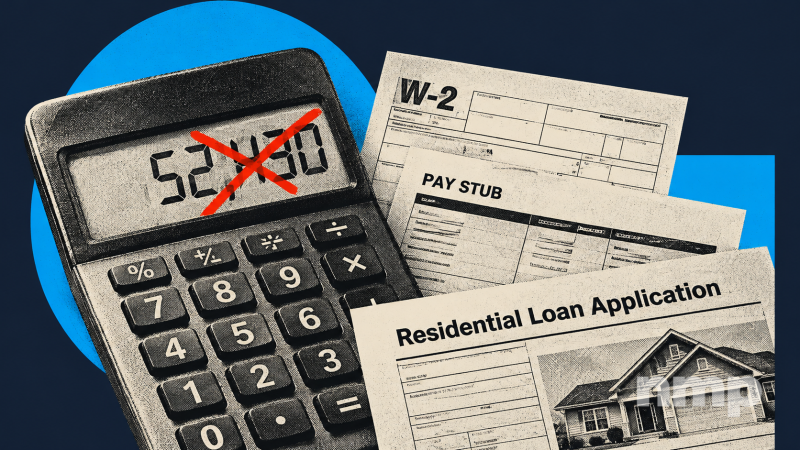
The projected 2014 purchase dollar volume of $612 billion represents a 4.72 percent increase from estimated purchase dollar volume for 2013, although the change in purchase loan units is expected to be only 1.68 percent. However, the drastic projected decrease of more than 52 percent in refinance activity from the end-of-year estimate for 2013 will result in total mortgage reduction of an estimated 30.3 percent in mortgage units and 28.4 percent in mortgage dollar volume.
The total size of the available household pool for home purchase financing is similar to levels experienced in the mid- to late-1990s, prior to the dot-com bubble. More than 40 percent of all U.S. households are not part of the available pool because they are not qualified, able, willing or ready to purchase and finance a home.
“Homebuying demand continues to be ‘penned-up,’ simply because household balance sheets of everyone but the top 15 percent are challenged by lagging employment, stagnant-to-falling household incomes, lack of available credit for home financing and poor credit scores, among other problems,” said Dennis Hedlund, president of iEmergent. “Consumer spending, which has always been a primary driver of our economy, has been muted since 2007 and is not yet positioned to be a force for growth. Unfortunately, as it lags, home buying lags along with it.”
Purchase originations have been languishing for more than five years, as many lenders stopped focusing on home buyers, due to the greater regulatory, compliance and repurchase risks associated with home lending and its potentially negative impact on future earnings. However, the lack of refinance opportunity projected for 2014 should change that.
“We believe that 2014 will be a solid year for growth in purchase lending across the board," said Hedlund. "In spite of countervailing upside and downside pressures, purchase lending volumes should benefit when refinance lending no longer ‘crowds-out’ the purchase money."