PwC US and the Urban Land Institute (ULI) looked into the near-future of U.S. real estate and have seen significant changes resulting from shifting business practices and demographics—not to mention a surplus of opportunities that are big and bright (clap, clap, clap, clap) deep in the heart of Texas.
According to the newly published “Emerging Trends in Real Estate 2015” report, the near-future of commercial real estate will be impacted by such developments as the rise of the “18-hour city” that encompasses an easily accessible mix of housing, retail, entertainment and walk-to-work offices. The report also states the much-ballyhooed Millennials will spur commercial real estate trends via their postponement of homeownership and family building–thus offering a vibrant boom for multifamily housing developers seeking to rent out apartment spaces.
Furthermore, a rising number of retirements coupled with a growing number of Millennials in the workforce will also reconfigure occupational data, according to the report, while expanding high-tech solutions and a greater sense of comfort among international investors in “event risk” will also skewer the commercial real estate scene. On the housing front, the reports predicts a return to the “classic principles of supply and demand,” coupled with a new degree of confidence in residential real estate.
The PwC-ULI report is based on input from more than 1,000 leading real estate experts, including investors, fund managers, developers, property companies, lenders, brokers, advisers, and consultants.
“Unlike previous reports and previous cycles, we are seeing sustained growth,” said Mitch Roschelle, partner, U.S. real estate advisory practice leader, PwC. “In the past several years, we reported that real estate market participants’ main fears revolved around the uncertainty with the economy. Now, the trepidation in their eyes has more to do with the ability of the growing real estate markets to adapt to a series of mega trends impacting society and the global economy. These mega trends include accelerating urbanization, demographic shifts and the impact of distributive technological advancements.”
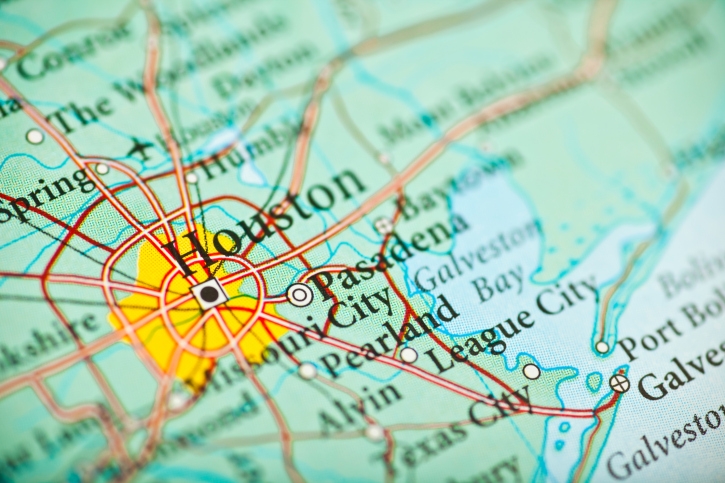
As for the nation’s major markets for real estate activity in 2015, three Texas cities were in the report’s top five locations, with Houston ranking first in both investment and development expectations for next year and ranking second in housing market. Austin came in second, with its office and single-family housing sectors earning praise among investors interviewed for the new report. Dallas/Fort Worth ranked fifth overall, although its single-family housing market was the highest ranked for that property sector. San Francisco’s third place ranking and Denver’s fourth place finish were the only non-Texas markets to breach the top five.
“Investors are looking closely at opportunities beyond the core markets,” said ULI Global CEO Patrick L. Phillips. “These cities are positioning themselves as highly competitive, in terms of livability, employment offerings, and recreational and cultural amenities.”