



 Built with Shorthand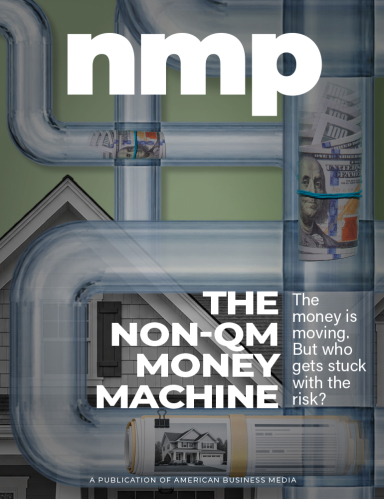


More from NMP Magazine

NMP
Who’s Bankrolling Non-QM?
Follow the money to find out who is funding the loans and who owns the risk if the market turns


NMP
The Race To Reinvent Mortgage Origination
Automation promises to strip away administrative work while raising expectations for production, conversion, and human advice


Webinars
Winning in Wholesale Series: Reframing Video for Wholesale Lenders
Wholesale AEs know they need to be on video, but most don't know where to start. In this Winning in Wholesale ...
Investor Confidence in Today’s Non-QM And Why Originators Are Paying Attention... A Virtual Town Hall
We host Angel Oak Mortgage Solutions for a special 2021 edition of their virtual town hall series they ran fro...
How to Help Real Estate Pros in a Post-Refi World
Hear from Melissa Merriman, REALTOR® with The Melissa Merriman Team at Keller Williams, on what real estate pr...




Connect with your local mortgage community.
Meet your your colleagues, both national and local, by attending an event in your area.