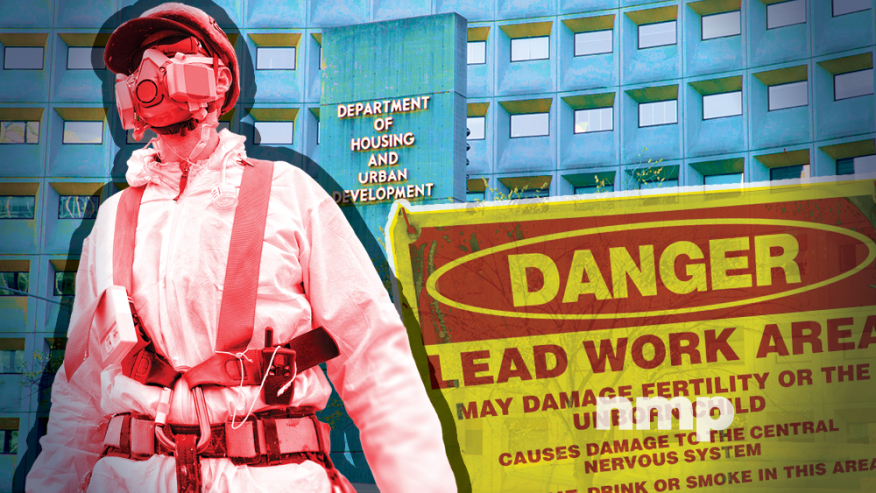
The U.S. Department of Housing & Urban Development (HUD) has made more than $4.4 million in Lead Hazard Reduction Capacity Building grants available to state and local governments, nonprofit organizations, and community partners to strengthen efforts to identify and mitigate lead-based paint hazards in privately owned rental and owner-occupied housing. The announcement was made by HUD Secretary Scott Turner, underscoring the agency’s ongoing commitment to housing that is both affordable and safe for families, particularly those with young children at risk of harmful lead exposure.
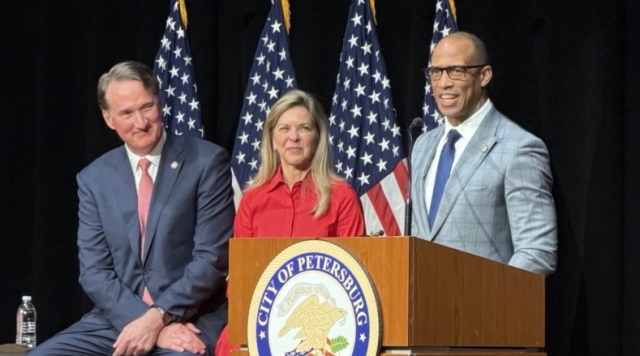
The HUD Secretary announced the available funding alongside Virginia Gov. Glenn Youngkin, Virginia’s First Lady Suzanne Youngkin, HHS leadership, and Petersburg Mayor Sam Parham at a Partnership for Petersburg initiative event. Gov. Youngkin launched the initiative in 2022 to foster comprehensive change in Petersburg, Virginia. According to a HUD release, the City of Petersburg has been continually ranked as the least healthy place to live in Virginia with approximately one in five homes estimated to have significant lead-based paint hazards.
These grants are designed to build local capacity around lead hazard control activities, which can include hazard identification strategies, workforce training, public outreach, and development of sustainable paint hazard control programs. HUD’s funding opportunity seeks to support jurisdictions that are expanding or creating systems to address lead hazards more effectively, with the intent of reducing the long-term health implications associated with lead exposure, especially for children and pregnant women.
“At HUD, we are focused on expanding affordable housing for hardworking Americans that is safe and free from hazards,” said HUD Secretary Turner. “Helping communities remove lead-based paint hazards will support Americans in developing or restoring their capacity to improve homes and protect families, especially for young children who are particularly susceptible.”
For mortgage originators, HUD’s announcement highlights a federal focus on healthy homes as a driver of community stability and property value preservation. Lead hazards can undermine not only occupant health but also the marketability and financing of properties. Programs that help reduce these hazards may enhance neighborhood conditions, improve borrower outcomes, and support broader housing market confidence.
HUD will also provide technical assistance, including a webinar to help prospective applicants prepare competitive submissions.