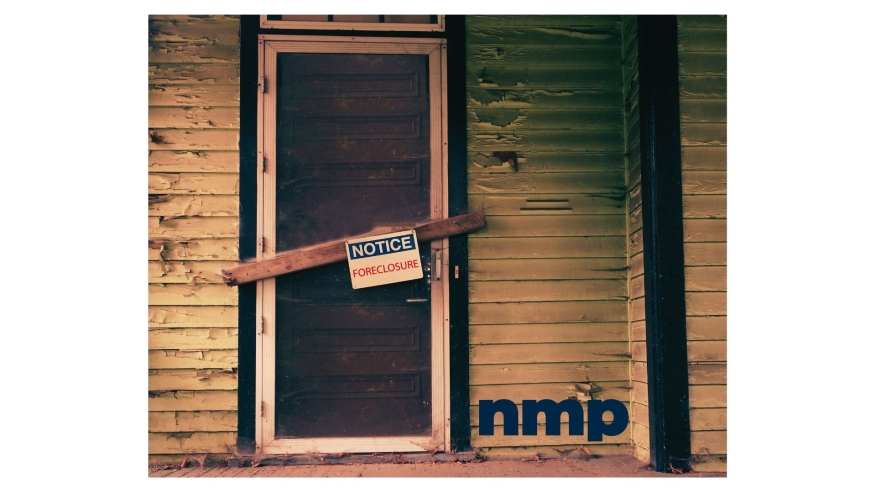
ATTOM has released its Q4 2025 Vacant Property and Zombie Foreclosure Report, showing that 1.32% of residential properties in the U.S., or approximately 1.4 million homes, were vacant. That total was down slightly from a 1.33% national vacancy rate reported in Q3 as the country continues to experience high demand for homes.
The data breakdown shows that 228,943 residential properties nationwide were in the process of foreclosure during Q4. Of those, 3.25%, or approximately 7,448 homes, were “zombie” properties, meaning they had been abandoned by their owner prior to the conclusion of the foreclosure proceedings. That was down from a 3.38% zombie rate in Q3.
“These continuously low vacancy rates, that the nation has held steady at around 1.4% for nearly four years, show that record high prices haven’t dampened the demand for homes,” said Rob Barber, CEO of ATTOM. “It’s a good sign for local housing markets that even as we’ve seen foreclosure filings increase, the rate of homes in foreclosure that are abandoned is going down.”
Low Zombie Rates Fall Further
The number of zombie properties rose quarter-over-quarter in 21 states and in the District of Columbia, but by small margins and as few as a single additional zombie property in some states.
Among states with at least 50 zombie properties, the biggest quarter-over-quarter increases in zombie properties came in:
- Oregon (up 37.8% to 51 zombie properties in Q4)
- Nevada (up 31.1% to 59 zombie properties in Q4)
- Georgia (up 15.6% to 74 zombie properties in Q4)
- Ohio (up 9% to 606 zombie properties in Q4)
- Arizona (up 6.3% to 68 zombie properties in Q4)
Those regions reporting the largest quarter-over-quarter drops in zombie properties were:
- Oklahoma (down 23% to 57)
- Indiana (down 12.7% to 219)
- California (down 12.3% to 272)
- Michigan (down 11.3% to 63)
- Iowa (down 9.3% to 107)
New England States Buck the Trend
The states reporting the highest overall home vacancy rates in Q4 were:
- Oklahoma (2.4%)
- Kansas (2.3%)
- Alabama (2.2%)
- Missouri (2.1%)
- West Virginia (2.1%)
The lowest overall vacancy rates were concentrated in the New England region, including:
- New Hampshire (0.3%)
- Vermont (0.4%)
- New Jersey (0.5%)
- Idaho (0.5%)
- Connecticut (0.5%)
Zombie Rates Grow In The Midwest
Zombie property rates were below the national rate of 3.25% in 75 of the 133 metropolitan statistical areas (MSAs) in ATTOM’s analysis with at least 100,000 properties and 100 properties in the foreclosure process. Of those metro areas, the ones with the highest rates of pre-foreclosure homes that had been abandoned, or become “zombies,” in Q4 were located in:
- Cedar Rapids, Iowa (14% of pre-foreclosure homes abandoned)
- Peoria, Illinois (11.9% of pre-foreclosure homes abandoned)
- Wichita, Kansas (11.8% of pre-foreclosure homes abandoned)
- Cleveland, Ohio (10.8% of pre-foreclosure homes abandoned)
- Youngstown, Ohio (10.6% of pre-foreclosure homes abandoned)
Three of the largest metro areas reported no zombie properties in Q4, including Grand Rapids, Michigan; Nashville, Tennessee; and Raleigh, North Carolina. The next lowest zombie rates were found in:
- Atlantic City, New Jersey (0.2% of pre-foreclosure homes abandoned)
- Provo, Utah (0.3% of pre-foreclosure homes abandoned)
- Trenton, New Jersey (0.3% of pre-foreclosure homes abandoned)
- Oxnard, California (0.7% of pre-foreclosure homes abandoned)
- Stockton, California (0.8% of pre-foreclosure homes abandoned)
Investment Properties Grow In Abandonment
Homes owned by institutional investors were slightly more likely than typical homes to be vacant in Q4. Of the 880,347 investor-owned properties nationwide recorded by ATTOM, 3.5% were unoccupied, compared to the overall national rate of 3.3%. The states reporting the highest vacancy rates for investor-owned homes were found in:
- Indiana (7.1%)
- Illinois (6.1%)
- Alabama (5.9%)
- Oklahoma (5.9%)
- Kansas (5.8%)
The lowest vacancy rates for investor-owned properties were found in:
- New Hampshire (0.8%)
- Vermont (1%)
- Idaho (1.3%)
- Utah (1.5%)
- North Dakota (1.5%)
For its analysis, ATTOM analyzed county tax assessor data for 104.3 million residential properties for vacancy, broken down by foreclosure status and owner-occupancy status in Q4 of 2025. Only MSAs with at least 100,000 residential properties, counties with at least 50,000 residential properties, and zip codes with at least 1,000 residential properties were included in the analysis.