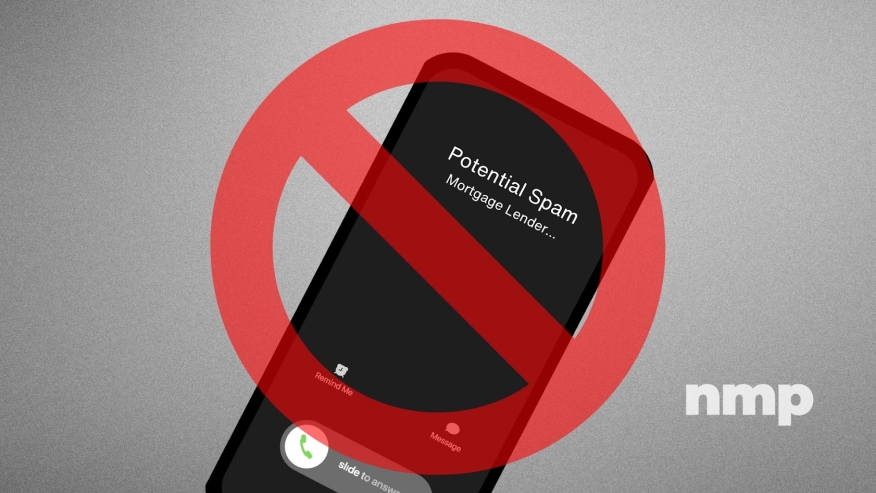
President Donald Trump has signed the bipartisan Homebuyers Privacy Protection Act (H.R. 2808) into law, officially curbing the controversial practice of selling mortgage “trigger leads.” The legislation, authored by Reps. John Rose (R-TN) and Ritchie Torres (D-NY), received overwhelming bipartisan support, clearing Congress with ease before reaching the president’s desk.
House Financial Services Committee Chairman French Hill (R-AR) praised the enactment. “I’m pleased to see President Trump signed the bipartisan Homebuyers Privacy Protection Act into law. I also want to thank Reps. Rose and Torres for their tireless work on this issue over the last two Congresses. This important bill protects homebuyers’ personal financial information, while encouraging competition and choice in the mortgage market,” Hill said.
What the Law Does
When a prospective homebuyer applies for a mortgage, it can “trigger” the sale of their personal information to other lenders—often without their knowledge or consent. This practice, known as a trigger lead, has long been criticized by mortgage professionals and consumer advocates alike.
The new law puts guardrails around the sale of trigger leads, limiting how and when personal financial data can be shared. Industry leaders say this represents a major win for both borrowers and the mortgage professionals who serve them.
The bill passed the House Financial Services Committee unanimously (46-0) on June 10, 2025, the House of Representatives by voice vote on June 23, and the Senate by unanimous consent on August 2. With Trump’s signature on September 5, it now becomes law.
Legislative Timeline: Homebuyers Privacy Protection Act
- June 10, 2025 – Passed House Financial Services Committee, 46-0
- June 23, 2025 – Passed House of Representatives by voice vote
- August 2, 2025 – Passed Senate by unanimous consent
- September 5, 2025 – Signed into law by President Trump
What It Means For Mortgage Lenders
For mortgage loan originators, the end of unfettered trigger leads is both a relief and a challenge. While the law helps protect client data, it doesn’t eliminate borrower shopping. Consumers will still compare options, validate offers, and seek second opinions.
As covered in Trigger Leads Ban Clears Senate, Heads to President Trump, the bill’s passage was expected, and many professionals had already begun preparing for a post-trigger lead market.
The real opportunity now lies in differentiation. As discussed in Brokers Pivot From Trigger Leads to Trusted Advisors, brokers who lean into transparency, client education, and long-term relationship building will be the clear winners. With fewer purchased leads entering the market, trust and expertise—not mass solicitation—will drive origination success.
Looking Ahead
The Homebuyers Privacy Protection Act marks a turning point for the mortgage industry. Borrower data is now more secure, but the competitive pressure remains. For originators, the shift means doubling down on being trusted advisors in a market that values relationships over unsolicited calls.