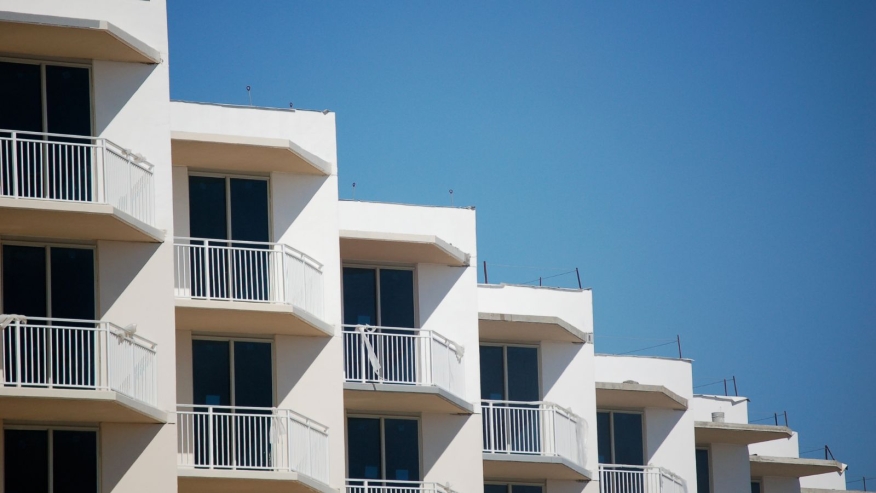
There was a time when condominium apartments were considered good places for young buyers to begin their ownership journey. They didn’t appreciate much, but as a starting point, they couldn’t be beat.
Now, there’s more than 100,000 condos on the market and even rookie buyers won’t touch them, according to the latest research from the Redfin real estate brokerage. Buyers are being spooked by high costs, rising owner association dues and insurance premiums.
Redfin says there were 72% more condo sellers than buyers in August. That’s down from 81% in the spring. But it’s still the fifth straight month sellers have outnumbered buyers by 70% or more.
The realty firm considers a buyer’s market to mean there are at least 10% more sellers than buyers, not that it’s necessarily affordable to buy an apartment.
Near-record prices and high mortgage rates mean sellers outnumber buyers across all property types. But the gap is particularly wide for condos because condo-specific costs are rising. Slow condo sales have pushed prices down slightly, but prices haven’t plummeted: The typical condo sold for $350,000 in August; down just 1% year-over-year.
On top of that, mortgage rates are still double pre-pandemic lows.
Then there’s the risk of condos losing their value. On a long-term basis, condo price growth is somewhat stagnant. Their prices rose just 3% from spring 2022 to spring 2025, much lower than the inflation rate for that period.
Moreover, one in 10 units are at risk of selling at a loss. That’s a larger share than other property types, according to a recent Redfin analysis.
At the same time, owning a condo has become not only increasingly expensive, but also increasingly complex. For example, Florida has instituted several new owners’ association regulations in the wake of the tragic 2021 Surfside condo collapse, including heightened inspection requirements and increased reserve funding.
California, meanwhile, has instituted new requirements about balcony inspections that can increase association fees and trigger special assessments. Additional costs and complications may encourage buyers to opt for a single-family home or townhouse with no homeowner’s association.
Back in the Sunshine State, Florida has about 1.5 million condo units. By some estimates, that’s about one-fifth of the nation’s condos, and dozens of new projects are on the way. Among the 50 biggest U.S. metros, 5 of the 10 metro areas with the biggest surplus of condo sellers over buyers are in Florida.
The rising costs and new rules mentioned above, along with intensifying natural disaster risks, are causing many Florida condo owners to list their units. But they also work to push buyers away.
Investors are among those trying to cash out. Both the long and short-term rental markets have cooled, and investors are hesitant to buy for the same reason. Investor purchases of condos fell 13% year-over-year in the second quarter, the largest decline in two years.
The imbalance of condo sellers and buyers is one factor in the overall gap between home sellers and buyers. There were an estimated 35.2% more home sellers than buyers overall in August, the second-biggest gap on record. For single-family homes, the gap was 29.7%; for townhouses, it was 37.6%.
The typical apartment that sold in August went for 2% less than its asking price, and took 58 days to go under contract. That’s about two weeks longer than a year earlier and the longest August time-to-sell in a dozen years.