Foreclosure inquiries rose for the third straight quarter to their highest level since March 2020, according to LegalShield. The company tracks homeowners seeking legal assistance before a foreclosure filing, acting as an early warning signal of a coming surge.
Historically, LegalShield's Foreclosure Index is a one- to two-quarter leading indicator of actual residential foreclosure filings reported by the Mortgage Bankers Association, with a 0.95 correlation.
The company's Consumer Stress Legal Index (CSLI), which tracks roughly 150,000 monthly requests for legal assistance, found foreclosure inquiries rose for the third consecutive quarter. The Foreclosure Index reached 52.5 in the second quarter, up 12.2% year over year and its highest quarterly reading since March 2020.
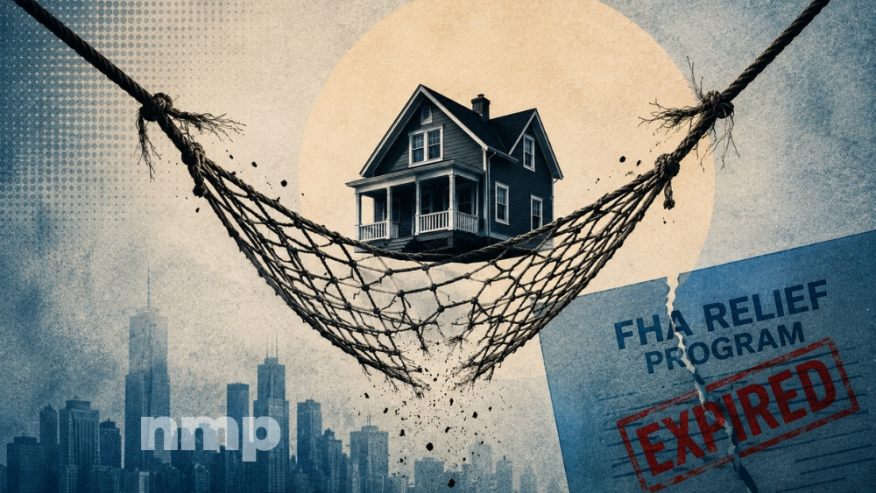
LegalShield attributed much of the increase to the expiration of pandemic-era FHA loss mitigation programs in late 2025, which the company says has left some borrowers exhausting modification options and seeking legal assistance as they fall further behind on their mortgages.
"The second quarter shows foreclosure pressure building, with homeowners contacting attorneys in numbers we haven't seen in years," Matt Layton, LegalShield's senior vice president of Consumer Analytics, said in a statement. "This data tracks actual consumer behavior, not a survey."
The company's composite Consumer Stress Legal Index rose to 74.6 during the second quarter, up 9.4% from a year earlier and 2.3% from the first quarter. The index measures consumers contacting attorneys about foreclosure, bankruptcy, and consumer finance issues.
FHA Borrowers Among Those Seeking Help
LegalShield attributed much of the increase to the expiration of pandemic-era FHA loss mitigation programs at the end of September 2025.
Provider attorneys told the company they are increasingly hearing from borrowers with FHA and other government-backed mortgages who are dealing with loan modification disputes, incomplete loss mitigation reviews, and trial payment plan issues.
The company cited Mortgage Bankers Association data showing the FHA serious delinquency rate reached about 11.5% in late 2025, roughly six times the conventional mortgage delinquency rate of about 2%.
LegalShield also pointed to rising escrow costs as another source of homeowner distress. It cited a March 2026 analysis from Neighbors Bank showing property taxes and homeowners insurance now account for about 21% of the typical monthly mortgage payment nationally—and more than one-third in some metropolitan areas. Separately, Cotality projects homeowners insurance premiums will increase another 8% nationwide in 2026.
Bankruptcy Inquiries Also Climb
LegalShield's Bankruptcy Index rose to 41.3, up 28.7% year over year and 5.1% from the first quarter, making it the fastest-growing category tracked by the CSLI. The company said the index increased every month during the quarter, rising from 39.4 in April to 39.9 in May before reaching 41.3 in June.
LegalShield said its Bankruptcy Index has historically led consumer bankruptcy filings by roughly two quarters, with a 0.98 correlation.
- The company also cited Federal Reserve Bank of New York data showing:
- Household debt reached a record $18.8 trillion.
- Credit card balances climbed to $1.25 trillion, up 5.9% from a year earlier.
- 4.8% of outstanding household debt was delinquent.
- Transitions into serious mortgage delinquency increased from 1.4% to 1.5%.
Regional Differences Emerge
The South posted the highest overall level of consumer legal stress, with a CSLI reading of 82.6, up 25.3% year over year. It also recorded the highest Foreclosure Index (56.4, up 30.4%) and the highest Bankruptcy Index (48.7, up 29.5%).
The Midwest recorded the largest increase in foreclosure inquiries, with its Foreclosure Index jumping 44.1% year over year to 56.3, even as bankruptcy inquiries declined 10.1%.
The West saw the strongest growth in consumer finance inquiries, while bankruptcy activity increased 24.9% year over year.
The Northeast moved in the opposite direction, with its Foreclosure Index falling 31.5%, bankruptcy inquiries declining 10.9%, and overall consumer legal stress down 3.8%.
Bottom Line
The findings reinforce concerns raised in NMP's May cover story, The Liquidity Squeeze In FHA Servicing, which documented how some FHA borrowers repeatedly cycled through partial claims and modifications before exhausting their remaining loss mitigation options. That story also found that rising delinquencies could create a compressed foreclosure pipeline and increase the liquidity burden on Ginnie Mae servicers required to advance principal and interest when borrowers stop paying.
For lenders and servicers with significant FHA exposure, the LegalShield data suggests pressure may continue building through the second half of 2026, particularly as borrowers contend with higher escrow payments, failed modifications, and fewer remaining options to avoid foreclosure.