The outlook for the housing market in 2024 is cautiously optimistic. Lower borrowing costs are expected to boost buyer interest next year, though the market still faces uncertainty. After a significant downturn, sales of existing homes are anticipated to rebound in 2024, but only after a challenging 2023. This year, sales are projected to fall 18% below 2022 levels, marking the worst performance in over a decade, according to the National Association of Realtors.
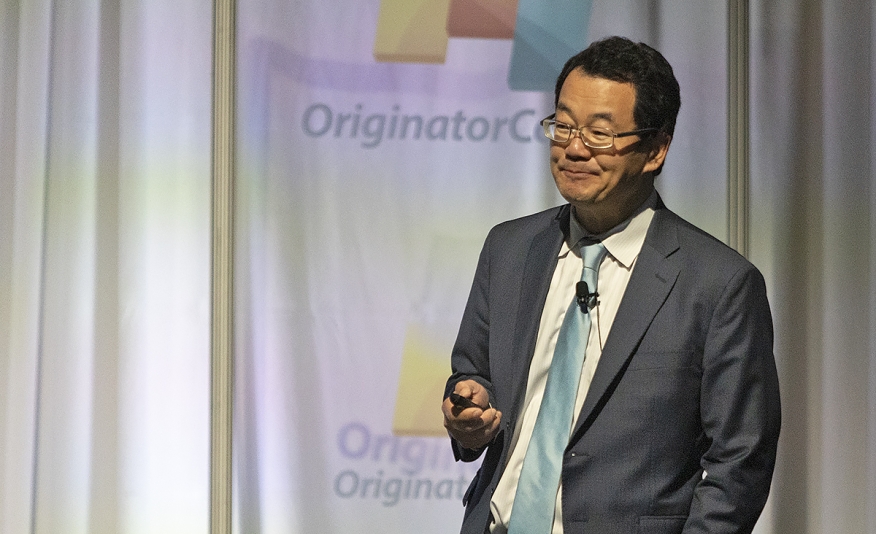
At NAR's virtual Real Estate Forecast Summit, Chief Economist Lawrence Yun and other experts predicted a brighter future for real estate. Mortgage rates, which recently peaked near 8%, are now declining. NAR forecasts a 6.3% average for the 30-year fixed-rate mortgage in 2024, while Realtor.com® predicts 6.5%. This decrease should enhance housing affordability, encouraging more buyers to enter the market. According to NAR, a rate around 6.6% allows an average American family to afford a median-priced home without spending over 30% of their income on housing.
NAR projects a 13.5% rise in existing-home sales and a 19% increase in new-home sales by the end of next year, despite a 5% growth in new-home sales this year.
Several U.S. metro areas are particularly poised for growth in 2024, driven by job growth and housing demand. These include:
- Austin-Round Rock-Georgetown, Texas
- Dallas-Fort Worth-Arlington, Texas
- Dayton-Kettering, Ohio
- Durham-Chapel Hill, N.C.
- Harrisburg-Carlisle, Pa.
- Houston-The Woodlands-Sugar Land, Texas
- Nashville-Davidson–Murfreesboro–Franklin, Tenn.
- Philadelphia-Camden-Wilmington, Pa.-N.J.-Del.-Md.
- Portland-South Portland, Maine
- Washington-Arlington-Alexandria, D.C.-Va.-Md.-W.V.
“Metro markets in southern states will likely outperform others due to faster job increases, while markets in the Midwest will experience gains from being in the most affordable region," Yun said.
Although overall inflation is slowing, shelter inflation continues to rise. The recent Consumer Price Index indicated a decrease to 3.1% in November. Yun anticipates that an influx of new apartment units may lower rental rates and help manage inflation, which could influence the Federal Reserve's rate decisions.
The 2024 housing market will likely still be challenging, especially for first-time buyers who can't leverage profits from previous home sales. Inventory shortages persist as homeowners hesitate to sell, clinging to lower rates secured two years ago. Additionally, a long-term underproduction by homebuilders has led to a national housing unit shortage of around 5 million.
Yun foresees 1.48 million housing starts in 2024, including 1.04 million single-family and 440,000 multifamily.
Current homeowners enjoy an advantageous position, thanks to significant home value appreciation in recent years, which has bolstered their overall wealth. Even in markets anticipating minor price declines, homeowners stand to gain. It's worth noting that the wealth disparity between homeowners and renters remains substantial, with homeowners generally holding more wealth, according to Federal Reserve data. Yun underscored that homeownership remains a dependable avenue for steadily accumulating wealth over the long term.