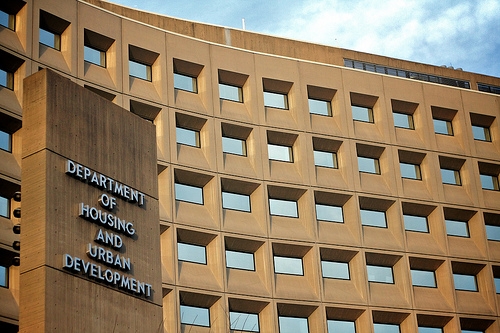
Department of Housing and Urban Development (HUD) regulations require mortgagees with Federal Housing Administration (FHA) insured single family mortgages to meet in person, or make a reasonable effort to meet in person, with mortgagors who are in default on their mortgage payments. However, the FHA adopted HUD's proposed rule, August 2, that modernizes those requirements to better align with advances in communication technology.
“The rule revised HUD's in-person, face-to-face meeting requirements by permitting mortgagees to utilize methods of communication most likely to receive a response from the mortgagor, including remote communication methods, to meet with mortgagors who are in default on their mortgage payments,” the final rule states. “This rule also expands the meeting requirement to all mortgagors in default, including mortgagors who do not reside in the mortgaged property and those with a mortgaged property not within 200 miles of their mortgagee.”
The Federal Register document states that the final rule will permit mortgagees to utilize more flexible communication and scheduling options to meet with the mortgagor at the mortgagor's convenience. The finalized rule will become effective January 1, 2025.
Managing Director of DLS Servicing, Donna Schmidt, said she believes the modernization of the rule is a good thing for the industry and for borrowers.
“This rule allows both the servicer and the borrower time to prepare for a call, making it more productive,” Schmidt said. “The key will be to ensure that the staff for the servicer are well trained and they do their homework on the loan before they engage in the meeting.”
Previously, Schmidt had also commented on the Mortgage Banker Association's (MBA) report, regarding lessons learned during the 2008 Financial Crisis. Schmidt revealed her company has seen a significant increase in the number of borrowers requesting forbearance due to loss of jobs.
"Previous loss mitigation options that establish a target payment on front-end debt-to-income ratios and positive monthly cash flow will be critical for overall sustainability," Schmidt added. "Such an approach will allow borrowers an opportunity to make an informed decision on salvaging any equity they may have in their properties, if sustainability is simply not an option."