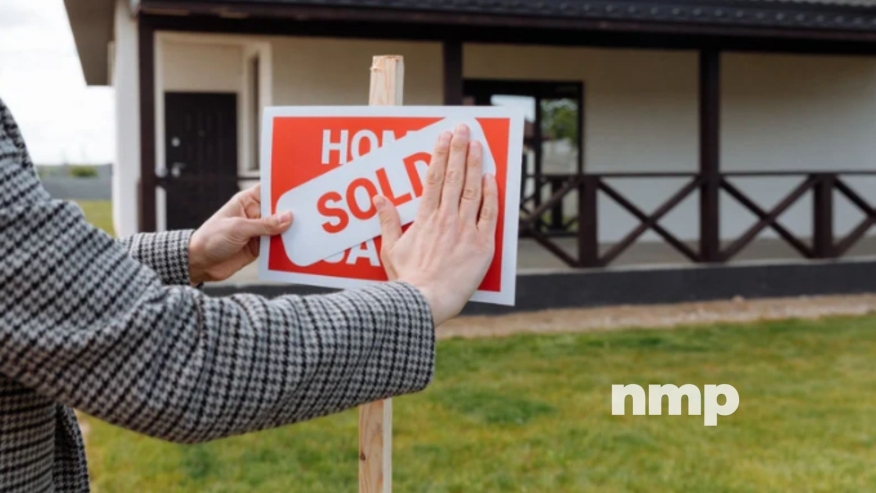
Existing-home sales are projected to rise by around 14% in 2026, according to National Association of Realtors (NAR) Chief Economist Lawrence Yun, delivered during a recent NAR event in Houston.
The expected rebound as reported by Yun reflects easing mortgage rates, continued job gains, and improving market stability after several challenging years. Home prices are forecast to increase by 4% next year, supported by steady demand and persistent supply shortages.
"Next year is really the year that we will see a measurable increase in sales," Yun said. "Home prices nationwide are in no danger of declining."
Rates To Level Off
Yun projects mortgage rates will decline modestly, averaging around 6% throughout 2026. He emphasized that while rates are influenced by more than Federal Reserve decisions alone, broader economic factors are contributing to gradually lower borrowing costs.
"As we go into next year, the mortgage rate will be a little bit better," said Yun. "It's not going to be a big decline, but it will be a modest decline that will improve affordability."
Targeting Regions Of Growth
Buyers will see the greatest affordability improvements in regions where new housing supply is most robust, particularly high-construction markets like Houston. Expanding inventory in such areas will help more first-time buyers achieve homeownership.
"Houston is creating more home construction, and therefore making home prices much more reasonable," said Yun. "Given the job creation, buyers will inevitably be showing up to Houston once the mortgage rate goes down."
Jessica Lautz, NAR deputy chief economist and vice president of research, presented insights from the newly released 2025 Profile of Home Buyers and Sellers, highlighting how shifting demographics are reshaping today's housing market.
Lautz noted that the typical age of a homebuyer today is 59 and the typical age of a repeat buyer is 62. She also shared that the number one reason people move today is because they want to be closer to friends and family.
"I call this the grandbaby effect," Lautz said. "This is a different type of buyer."
Affordability Issues Remain
First-time homebuyers continue to encounter affordability issues, as the share of first-time buyers hit an all-time low of 21%, and the median first-time buyer age hit 40 years of age.
"The biggest struggle first-time buyers have is finding an affordable property, and many of them struggle to save for a downpayment," said Lautz. "The biggest source of pain that they are citing is high rent and student loan debt."
Despite the affordability challenges faced by many, the use of real estate agents remains strong among both buyers and sellers. Lautz shared that 88% of buyers and 91% of sellers used an agent or broker in their most recent transaction.
Lautz cited the value agents provide in "pricing the home competitively in a changing market, marketing that home, and finding a qualified buyer."
To ease affordability, NAR is urging for government policymaking that would help unlock existing inventory, which would enable more new home construction, streamline local zoning and permitting, and modernize construction methods to build more homes faster and more affordably — to help loosen the constraints on first-time homebuyers.
Yet another obstacle, down payments, continue to rise for both first-time and repeat buyers, hitting levels not seen in decades. In 2025, the median down payment among all buyers was 19% — 10% for first-time homebuyers, and 23% for repeat homebuyers. That marks the highest median down payment reported by NAR for first-time buyers since 1989, and the highest for repeat buyers since 2003.