The U.S. rental market saw a slight uptick in February, marking the first increase in six months, as apartment construction begins to slow. The median asking rent rose 0.4% year over year to $1,607, the largest gain in nine months, according to data from Redfin.
Despite this modest increase, the rental market has remained relatively stable over the past ten months, a stark contrast to the extreme fluctuations seen in previous years. During the pandemic moving frenzy of 2021, rents soared by as much as 18% annually, only to fall by as much as 4% in 2023. The current market stabilization reflects a near equilibrium between rental supply and demand.
Construction Slowdown May Signal Future Rent Hikes
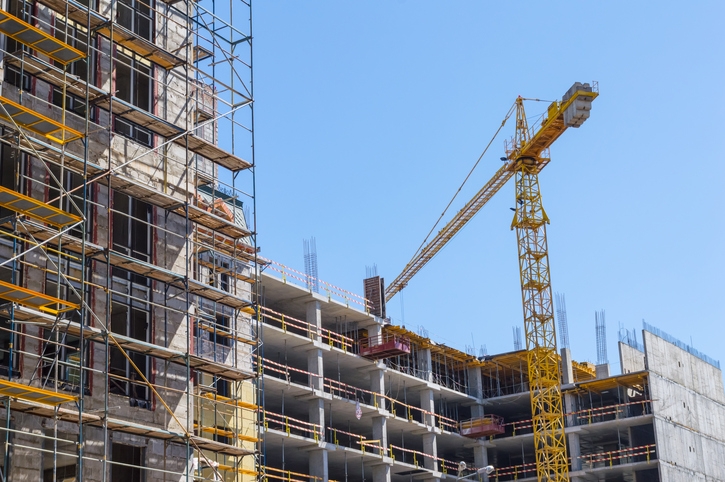
A key factor influencing the rental landscape is the deceleration of new apartment construction. Though a record 142,900 new apartments were completed in the third quarter of 2024, the pace of leasing has slowed. Just 47% of these newly built units were rented within three months, tied with late 2023 for the lowest absorption rate on record, excluding the pandemic's onset.
"Some landlords are slashing prices and offering concessions like free parking to woo tenants, but renters should know that these perks could start to dry up," said Redfin Senior Economist Sheharyar Bokhari. "Builders are slowing their roll, with permits to construct apartments down almost 10% year over year. This means renters will eventually have fewer apartments to choose from, which could embolden landlords to boost rents — though that may not happen until well into next year because a lot of apartments built during the pandemic are still coming on the market."
The rental vacancy rate for buildings with five or more units ended 2024 at 8.2%, the highest level since early 2021. While rents are no longer experiencing the declines seen in 2023, they remain roughly $100 below their record high.
Regional Disparities In Rental Trends
While the national median rent increased slightly, trends varied significantly across metro areas. Austin, TX, saw the most significant decline, with the median asking rent dropping 9.4% year over year to $1,404, now 22% below its August 2023 peak. Other cities with notable decreases included Salt Lake City (-7.8%), Jacksonville, FL (-6.7%), Minneapolis (-5.9%), and San Diego (-5.6%).
Conversely, rents climbed the most in Cincinnati (15.3%), Providence, RI (12.4%), Baltimore (9.6%), Washington, D.C. (9.2%), and Cleveland (8.5%). The divergence in rental price trends is largely influenced by supply dynamics — Texas and Florida have been building at a rapid pace, leading to increased vacancies and lower prices, while areas with limited new construction have seen rents rise.
Smaller Apartments In Higher Demand
The demand for smaller apartments appears to be holding up better than larger units. The median asking rent for studio and one-bedroom apartments rose 0.4% to $1,467, marking their first increase since June 2024. Two-bedroom apartments saw a 0.6% rise to $1,689. Meanwhile, rents for three-bedroom or larger apartments declined slightly by 0.5% to $1,990, though this was the smallest drop in months.
New studio apartments have been filling up at a faster rate compared to last year, with 50% being rented within three months, up from 42%. In contrast, absorption rates for other unit sizes declined: one-bedroom apartments dropped from 54% to 49%, two-bedrooms fell slightly from 51% to 50%, and three-bedroom units decreased from 56% to 51%.
"The era of big rent declines is over for most of the country," said Bokhari. "A ton of new apartments have hit the market, and demand for those apartments is strong because it’s so expensive to buy a home. But apartment construction is starting to slow, which means there may be more renters than apartments to go around as soon as next year. That could cause rents to tick up and the perks that many renters have grown accustomed to — like free parking — to disappear."