The U.S. rental market is increasingly tilting toward renters, with vacancy rates climbing to levels that strengthen tenants’ negotiating power and ease rental cost pressures, according to Realtor.com’s January Rental Report. The average rental vacancy rate across the nation’s 50 largest metropolitan statistical areas (MSAs) reached 7.6% in 2025, up from 7.2% in 2024, marking a multi-year high and signaling a broader shift in market dynamics.
Across these major metros, 44 markets are now classified as renter-friendly or balanced, leaving just six markets where landlords retain the upper hand. A vacancy rate above 7% is widely considered advantageous to renters, who benefit from greater availability and more bargaining leverage.
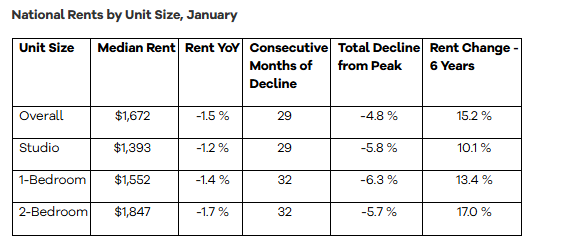
Nationally, the median asking rent fell 1.5% year-over-year to $1,672 in January 2026, marking the 29th consecutive month of annual rent declines. This trend reflects growing supply and market stabilization after years of tight conditions and rapid rent growth.
"After years of being squeezed by limited inventory, renters are finally seeing the supply wave work in their favor," said Danielle Hale, chief economist at Realtor.com. "This shift doesn't just mean lower prices; it means that renters today have more options and more bargaining power. While the market isn't uniform everywhere, the broader trend is a move toward a much needed equilibrium that allows for more flexibility and choice in the housing search."
Economists point to increased construction and new inventory as key factors underpinning the shift. In Milwaukee, Wis., vacancy rates more than doubled — rising from 4.9% in 2024 to 10.8% in 2025 — making it one of the most pronounced examples of a formerly tight market turning strongly in renters’ favor.
However, the report shows that not all markets have eased equally. Six metros, including Boston, San Jose, and New York, remain landlord-friendly with vacancy rates below the 5% mark, and these markets saw rent increases year-over-year in January — bucking the national trend.
The shift is nuanced in some regions. Areas like Pittsburgh and Richmond, Va., moved from renter-friendly to balanced, driven by rising out-of-market demand that absorbed available units.
"We are seeing a fascinating tug-of-war," said Jiayi Xu, economist at Realtor.com. "In the Sun Belt and parts of the Midwest, new construction is helping to create negotiating room for renters. But in traditionally more affordable areas like Richmond and Pittsburgh, the secret is out, rising demand from out-of-towners is starting to soak up that excess vacancy, proving that renter-friendliness can be fleeting if supply doesn't keep pace with demand."