A long-awaited regulation protecting consumers from loan sharks will likely be put in place early next year.
The Supreme Court is expected to enter its judgment Monday in Consumer Financial Protection Bureau (CFPB) vs. Community Financial Services Association of America (CFSA).
This brings to an end payday lenders’ practice of racking up junk fees by making multiple failed withdrawal attempts from borrowers’ accounts.
The court ruled in favor of the CFPB in May, rejecting payday lenders’ final claims in a case that dates back to 2017. That was when the CFPB first issued a rule prohibiting lenders from attempting to withdraw money from an account unsuccessfully more than twice.
The regulation was originally supposed to take effect in 2019 but payday lender-lobbyists set out to block its implementation.
In 2022, the court of appeals hearing the case rejected most of the CFSA's claims, and the litigation is finally expected to come to a close after the Supreme Court enters its judgment Monday.
Following this, an existing court order pausing the rule will expire in 286 days, putting it into effect on March 30, 2025.
“This ruling upholds the fact that the CFPB’s funding structure is not novel or unusual, but in fact an essential part of the nation’s financial regulatory system, providing stability and continuity for the agencies and the system as a whole,” the CFPB said in a statement. “As we have done since our inception, the CFPB will continue carrying out the vital consumer protection work Congress charged us to perform for the American people.”
Congress launched the CFPB in 2011 to protect consumers from predatory and abusive practices by financial sector companies. Since then, the agency has provided $20 billion in relief, handling upwards of four million complaints.
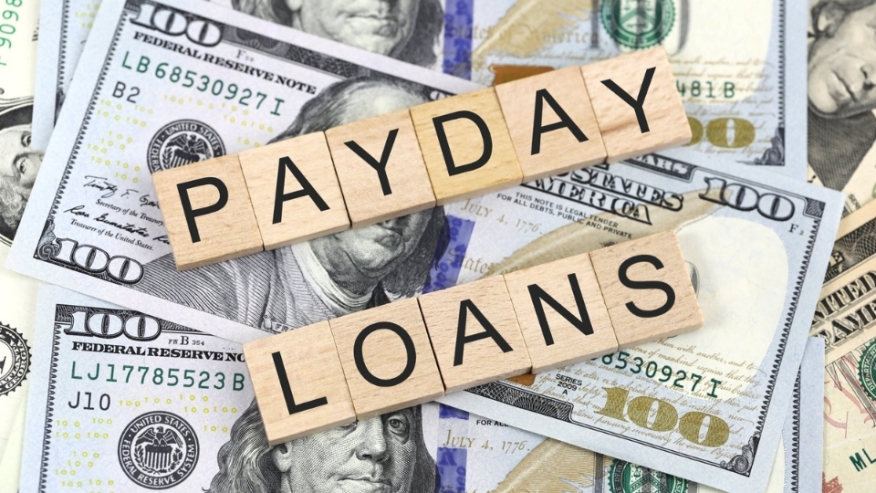
Payday loans are typically small and short-term, with sky-high interest rates. Payday lenders tend to target economically-challenged families in poor urban and rural areas.
In May, $39.83 million was distributed to 118,101 consumers who were deceived by fintech company LendUp Loans LLC. The company, which marketed itself as the superior alternative to payday lenders, offered consumers single-payment and installment loans. It falsely enticed consumers into climbing the “LendUp Ladder” to lower interest rates and larger loans. Those affected should have received checks in the mail last month.