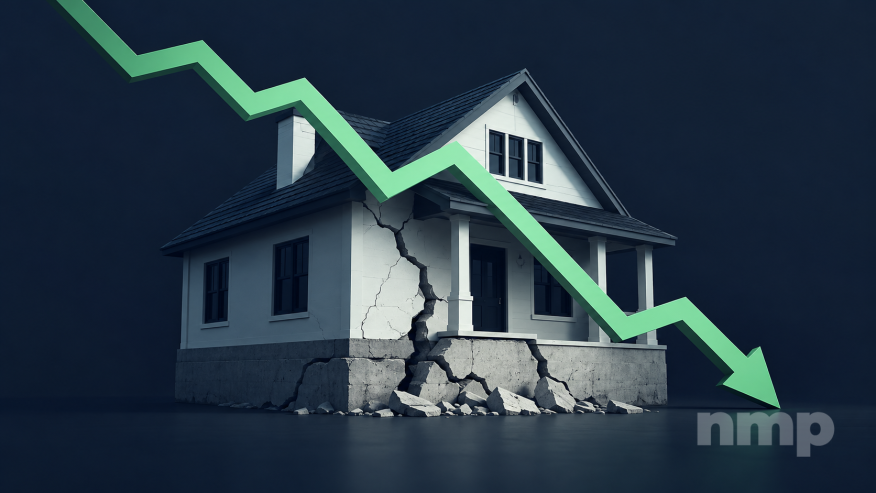
More than one-third of U.S. homeowners have postponed needed repairs or maintenance over the past two years, according to a new LendingTree survey, and some are finding that waiting only makes the problems worse.
Among homeowners with outstanding repairs, 34% say delays have increased costs, 29% report that the original problem has worsened, and 25% say the delays have caused damage elsewhere in their homes.
The survey, published Oct. 26, found that among homeowners with outstanding repairs, 32% couldn't afford the work, 34% were saving up for it, and 23% cited high contractor estimates.
The most commonly delayed projects involved floors, walls, or ceilings (30%); bathrooms or kitchens (29%); and plumbing, water heaters, or sewer and septic systems (27%).
Some of the outstanding work is more serious. Among homeowners with delayed repairs, 25% cited roofs, chimneys, or gutters, 19% reported water damage, leaks, or mold, and 12% identified foundation or structural issues.
Among homeowners with outstanding repairs, 27% described their most serious repair as urgent or safety-related.
The financial strain extends beyond repair bills. Of homeowners whose properties needed repairs during the past two years, 37% tapped emergency savings, 33% cut spending on essentials such as groceries or healthcare, and 20% postponed retirement savings or debt repayment.
A surprise $5,000 repair would significantly drain savings for 30% of homeowners surveyed, while another 25% said they couldn't cover the expense at all.
"For many families, a home repair can feel less like an improvement project and more like a budget emergency," Matt Schulz, LendingTree's chief consumer finance analyst, said. "When a repair competes with the rest of the household budget, people may put it off, but delays can make a manageable issue more expensive."
When Deferred Maintenance Becomes A Mortgage Problem
Not every postponed repair threatens a mortgage transaction. Cosmetic problems generally carry different underwriting considerations than active leaks, unsafe electrical systems, or structural damage.
But serious deficiencies can affect loan eligibility.
Under Fannie Mae's Selling Guide, properties rated C5 have significant deferred maintenance but remain functional and habitable. They may generally qualify for conventional financing as-is.
Properties rated C6, however, have deficiencies affecting safety, soundness, or structural integrity. Those deficiencies must be corrected before the loan becomes eligible for sale to Fannie Mae.
Freddie Mac generally requires deficiencies consistent with C5 or C6 conditions to be corrected before mortgage delivery, subject to exceptions, including certain renovation mortgages.
Depending on the severity of the problems and the loan program, borrowers may need to complete repairs before closing or pursue renovation financing.
Can Home Equity Financing Help?
Deferred maintenance presents a potential use case for home equity loans, HELOCs, and renovation mortgages. But the LendingTree findings suggest affordability may be a bigger obstacle than access to credit.
Just 3% of homeowners with outstanding repairs cited an inability to obtain financing as a reason for delaying the work, compared with 32% who said they couldn't afford the repairs.
A homeowner may have substantial equity but lack the income or savings to pay for necessary work. Borrowing against that equity could help, although additional debt and monthly payments may not be practical for every household.
For borrowers with low-rate first mortgages, a HELOC or home equity loan may be preferable to replacing their existing mortgage through a cash-out refinance.
Other options include Fannie Mae's HomeStyle Renovation, Freddie Mac's CHOICERenovation programs, and FHA's 203(k), which allow eligible borrowers to finance qualifying repairs through purchase or refinance transactions.
These programs can be particularly useful when a property's condition makes standard financing difficult, although eligibility, costs, and repayment obligations still need to be considered.
What Originators Should Watch
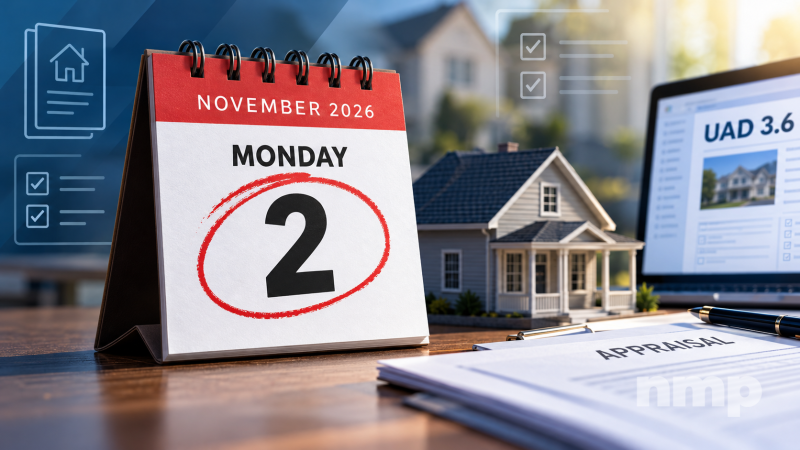
The findings arrive as lenders and appraisers prepare for the Nov. 2 mandatory transition to Uniform Appraisal Dataset 3.6.
The transition does not create new property-condition eligibility standards, but it places appraisal reporting back in the spotlight.
Identifying significant maintenance problems early can help determine whether repairs will be required, which agency requirements apply, and whether renovation financing is a better option.
Schulz warned that postponing repairs can eventually create problems when homeowners decide to sell.
"Putting off repairs can turn a small problem into a far bigger, more significant one," he said in the LendingTree report. "For example, a small roof leak can become water damage, mold, or structural trouble. That can be a big deal when it comes time to sell the house."
For lenders and originators, the concern is that a homeowner may be keeping up with mortgage payments while the property securing the loan becomes increasingly costly to maintain — and potentially harder to finance.
LendingTree commissioned QuestionPro to survey 2,000 U.S. consumers online Sept. 2-7, 2026, using a nonprobability-based sample with demographic quotas.