A coalition of eight major housing and banking trade associations is calling on federal regulators to recalibrate bank capital requirements, arguing that current rules discourage bank participation in mortgage markets and harm housing affordability.
In a letter to leaders of the Federal Reserve, Office of the Comptroller of the Currency (OCC), and Federal Deposit Insurance Corporation (FDIC), the groups expressed support for ongoing efforts to revise the Basel III Endgame rule, framing the regulatory overhaul as an opportunity to improve mortgage market stability, while encouraging greater bank involvement in home lending.
The coalition — which includes the Mortgage Bankers Association (MBA), American Bankers Association (ABA), Housing Policy Council (HPC), and U.S. Mortgage Insurers (USMI) — argues that existing capital rules have pushed banks out of mortgage origination, servicing, and securitization activities.
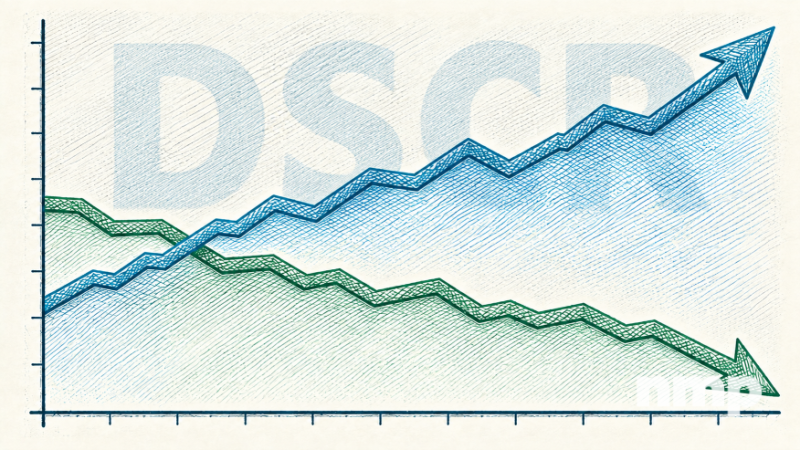
Data accompanying the letter shows bank servicing share has plummeted from 88% in 2013 to just 39% by 2024, following implementation of the first phase of Basel III capital standards.
"Current rules that negatively impact bank participation include excessive risk weights for single-family residential mortgages held on balance sheets, as well as punitive capital treatment of mortgage servicing assets, warehouse lending, private mortgage insurance, securitization, and credit risk transfer," the letter states.
The groups recommend several specific reforms, including adopting more granular risk weights based on loan-to-value ratios with appropriate credit for private mortgage insurance (PMI), removing or significantly raising the current 25% cap on mortgage servicing rights (MSRs) that can be included in regulatory capital, and reducing the 250% risk weight on MSRs to 100%.
The coalition also calls for lowering risk weights on warehouse lines of credit — which provide interim financing for two-thirds of all single-family mortgage originations — from 100% to 50%, arguing the current treatment is misaligned with the actual low-risk profile of these highly collateralized exposures.
The letter emphasizes that significant post-financial-crisis reforms — including the Ability-to-Repay/Qualified Mortgage (QM) regime, enhanced capital standards for Fannie Mae and Freddie Mac, and expanded credit risk transfer markets — have made the mortgage market healthier and more resilient, warranting recalibrated bank capital rules that reflect current market conditions rather than pre-crisis weaknesses.
The groups urged regulators to move expeditiously toward notice and comment on the revised capital framework.
Click here to read the full letter.