



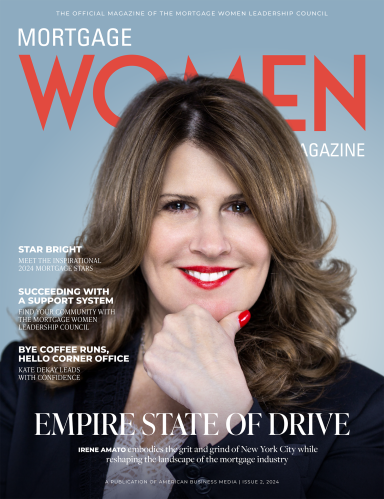

More from Mortgage Women Magazine

MORTGAGE WOMEN
She Doesn’t Need A Co-Signer Anymore
Single women are now buying more homes than single men


MORTGAGE WOMEN
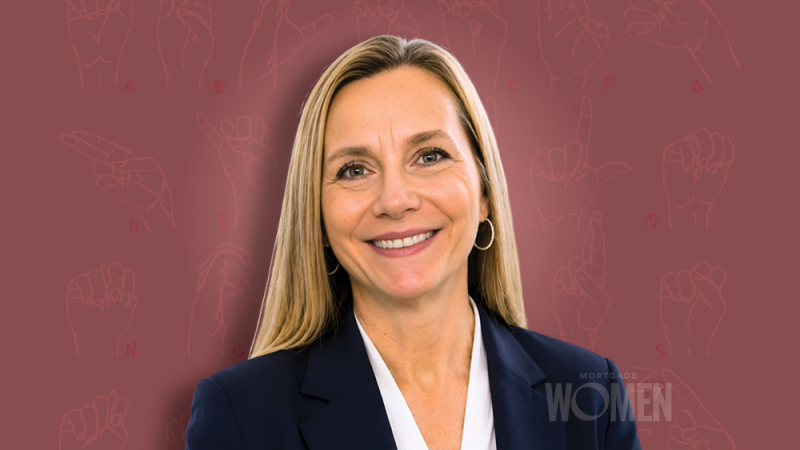
Beyond Barriers
Sandra Thompson on reading it, leading it, and embracing the fact that perfection is never the requirement


Webinars
NMP Ignite: The Good, Bad, And Ugly of LO Comp
LO compensation can sound simple: You close loans, you get paid. But the details behind the numbers — Regulati...
Investor Confidence in Today’s Non-QM And Why Originators Are Paying Attention... A Virtual Town Hall
We host Angel Oak Mortgage Solutions for a special 2021 edition of their virtual town hall series they ran fro...
How to Help Real Estate Pros in a Post-Refi World
Hear from Melissa Merriman, REALTOR® with The Melissa Merriman Team at Keller Williams, on what real estate pr...



Advertisement
Connect with your local mortgage community.
Meet your your colleagues, both national and local, by attending an event in your area.