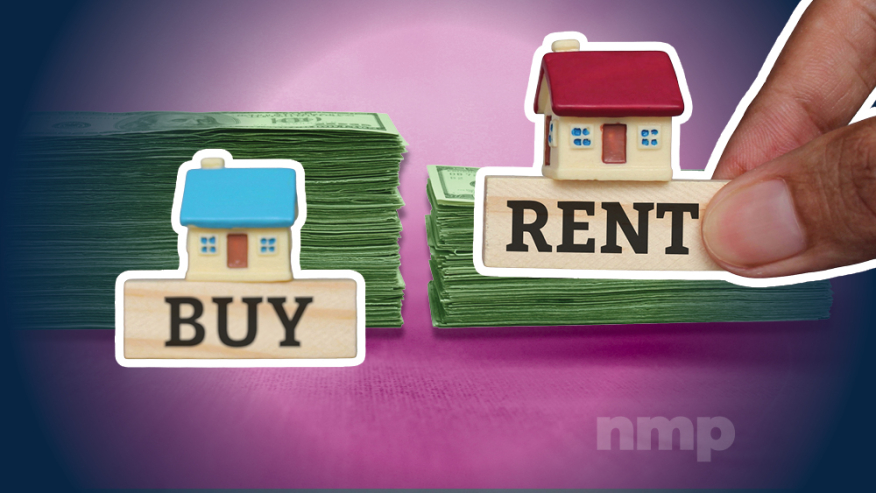
Renting remains more affordable than buying a starter home across all 50 of the largest U.S. metropolitan areas, according to a new analysis from Realtor.com.
The company’s March 2026 rental report found the median asking rent for units with up to two bedrooms fell to $1,669, down 1.5% year over year. That marks the 32nd consecutive month of annual rent declines, driven in part by an influx of new multifamily supply that has increased competition among landlords.
At the same time, the gap between renting and buying remains significant. On average, renters are saving roughly $920 per month compared to the typical monthly cost of purchasing a starter home.
“While renting remains the more affordable option in today’s market, the savings could help renters build toward homeownership,” said Danielle Hale, chief economist at Realtor.com.
Affordability Gap Is Holding Borrowers Back
Elevated mortgage rates, combined with still-high home prices, insurance costs, and taxes, are keeping monthly ownership costs out of reach for many first-time buyers. Even as rents soften, they remain well above pre-pandemic levels, underscoring that affordability challenges persist on both sides of the rent-versus-buy equation.
That dynamic is showing up clearly in borrower behavior: more consumers are staying in place longer, waiting for either improved affordability or stronger personal financial positioning before re-entering the market.
Monthly Savings Are Quietly Building Future Buyers
The more important signal is what renters are doing with that roughly $900 monthly cost advantage.
At that pace, renters could accumulate more than $10,000 annually, funds that can be directed toward a down payment, reserves, or debt reduction. Over time, that can materially improve borrower profiles and shorten the path to homeownership.
Rents have declined across unit types, with smaller units — often the entry point for first-time buyers — seeing consistent easing. Markets with significant new apartment supply, particularly in the Sun Belt, have experienced more pronounced softening, while higher-cost coastal markets remain elevated but are beginning to stabilize.
In effect, today’s renter is often tomorrow’s borrower — just not on today’s timeline.
What This Means For LOs
This environment is less about lost business and more about delayed conversion.
Borrowers who are currently priced out are still actively progressing financially. That creates an opportunity to shift from transactional engagement to pipeline cultivation.
That includes:
- Tracking rent-versus-buy breakeven points at the borrower level
- Helping clients translate monthly savings into actionable homebuying timelines
- Maintaining consistent engagement during the waiting period
Product strategy will also play a larger role as these borrowers re-enter the market. Many will require:
- Down payment assistance programs
- Rate buydowns
- Alternative income or Non-QM solutions
The same affordability pressures keeping borrowers on the sidelines today are likely to shape how those loans are structured tomorrow.
Renting may still be the cheaper option — but that’s not the full story.
The affordability gap is not eliminating demand, it’s reshaping it.