Stan Middleman’s Mortgage Empire (And What You Can Learn From It) – NMP Skip to main content

Stan Middleman’s
Mortgage Empire
(And What You
Can Learn From It)

Ten lessons in leadership, longevity, and resilience
from one of the mortgage industry’s sharpest minds

By Kathryn Fitzpatrick,
associate editor, National Mortgage Professional

Stan Middleman’s
Mortgage Empire
(And What You
Can Learn From It)

Ten lessons in leadership, longevity, and resilience from one of the mortgage industry’s sharpest minds

By Kathryn Fitzpatrick,
associate editor, National Mortgage Professional

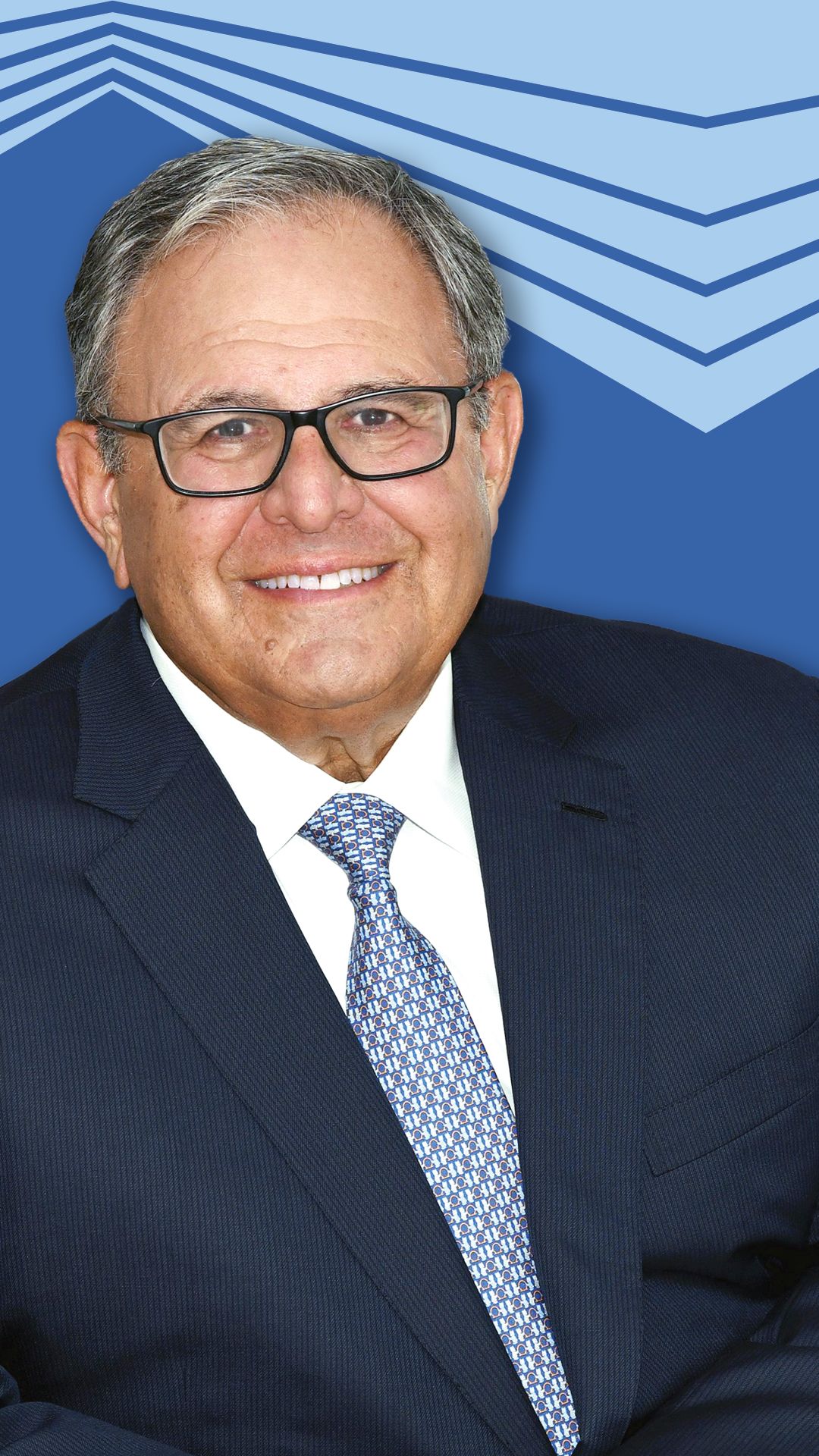
If you want to build a mortgage business that lasts through rate cycles, regulatory upheaval, and economic downturns, Stan Middleman has something to teach you.

As founder and CEO of Freedom Mortgage, the sixth-largest independent mortgage company in America, Middleman has spent more than three decades building not just a business, but a philosophy: one rooted in preparation over prediction, discipline over flash, and purpose over ego.

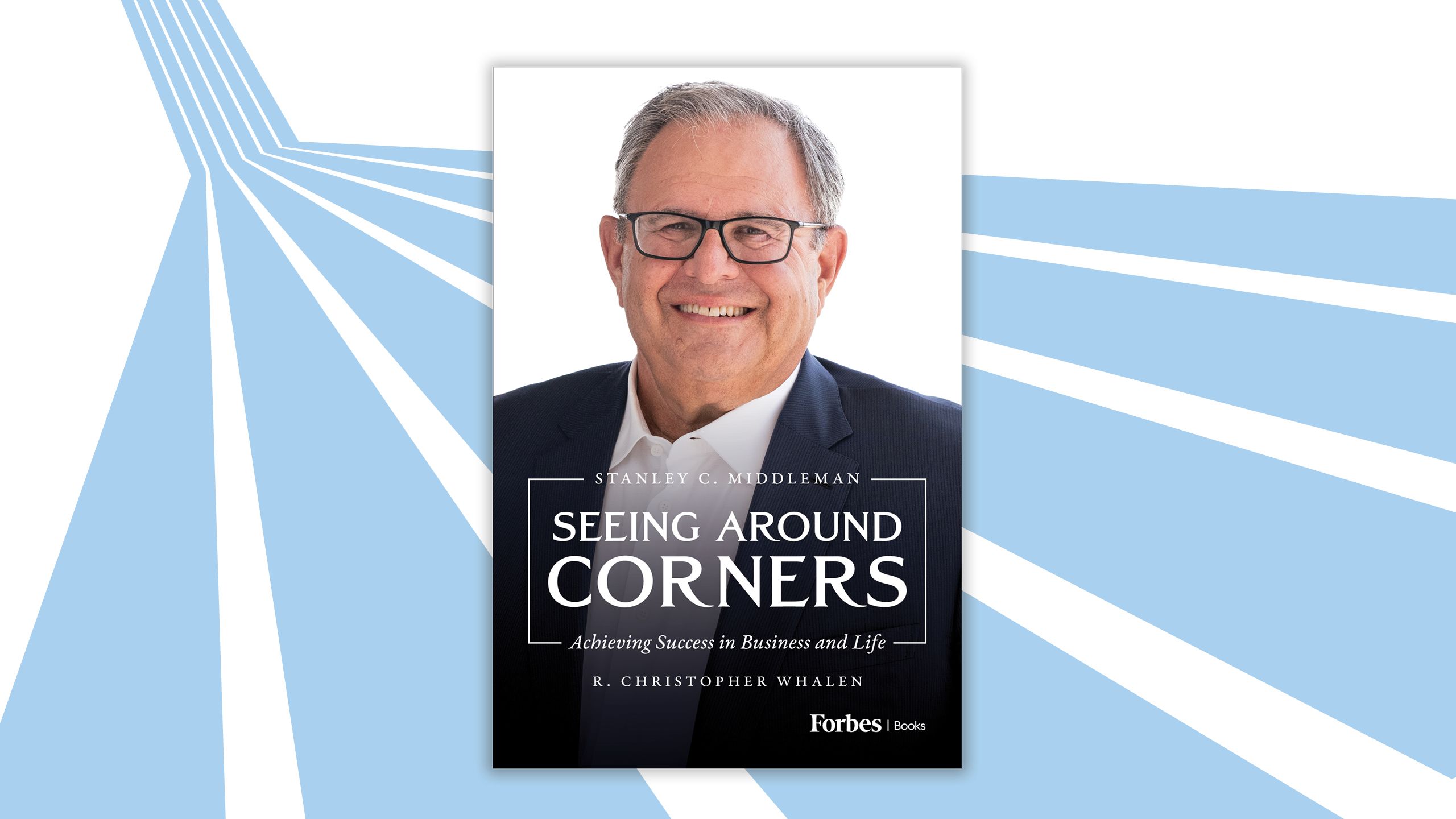
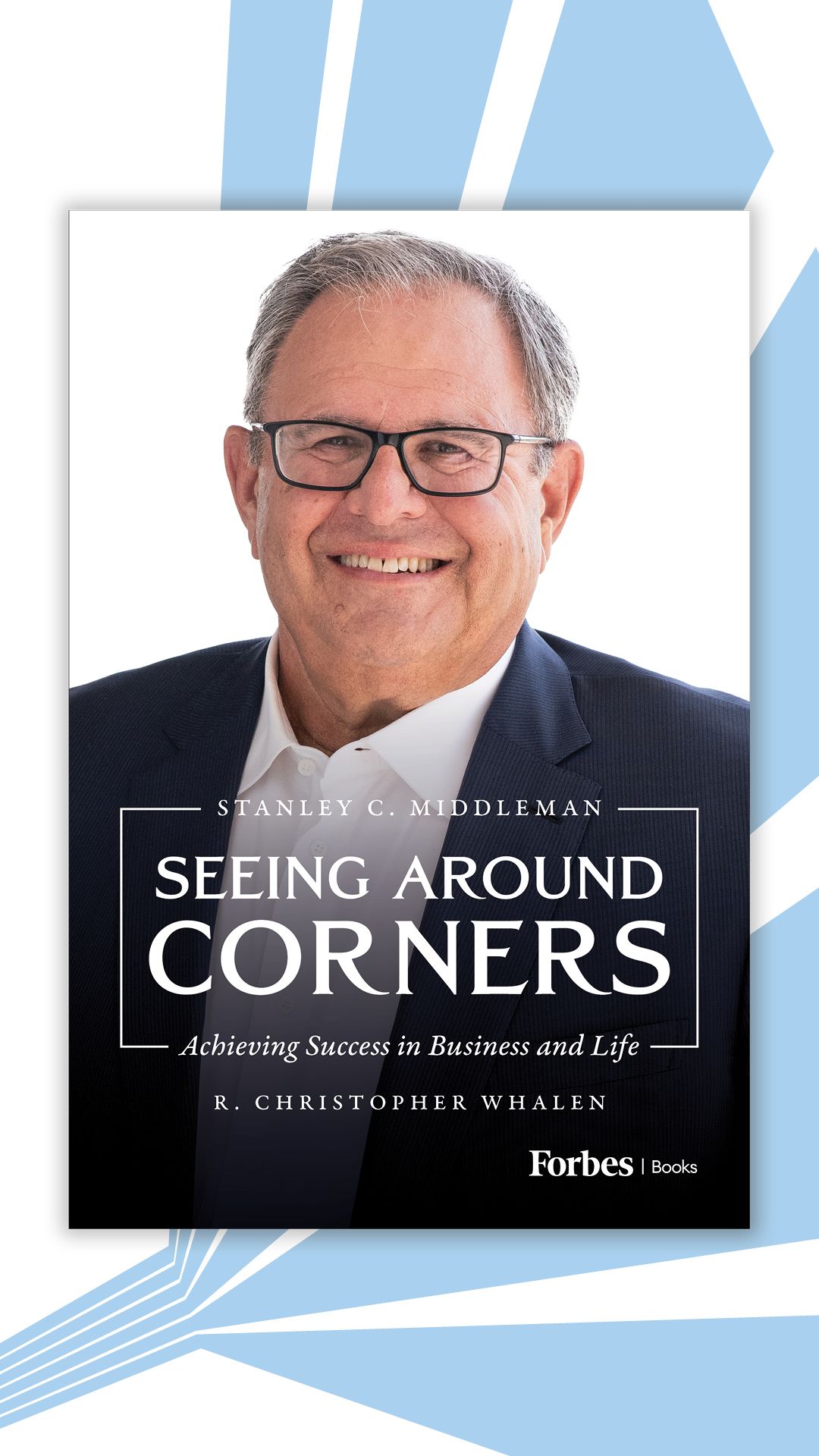
Middleman’s journey is detailed in Seeing Around Corners by R. Christopher Whalen, a book he originally conceived of as a personal reflection for his children and grandchildren. Part memoir and part operating manual — and packed with insight from a man who has seen it all — Seeing Around Corners shows that even in mortgage, good sense and long-term thinking still work.

If you want to build a mortgage business that lasts through rate cycles, regulatory upheaval, and economic downturns, Stan Middleman has something to teach you.

As founder and CEO of Freedom Mortgage, the sixth-largest independent mortgage company in America, Middleman has spent more than three decades building not just a business, but a philosophy: one rooted in preparation over prediction, discipline over flash, and purpose over ego.

Middleman’s journey is detailed in Seeing Around Corners by R. Christopher Whalen, a book he originally conceived of as a personal reflection for his children and grandchildren. Part memoir and part operating manual — and packed with insight from a man who has seen it all — Seeing Around Corners shows that even in mortgage, good sense and long-term thinking still work.

From his earliest days as a street salesman at the Philadelphia Bicentennial to his present life running a national mortgage powerhouse with over $400 billion in servicing, Middleman has cultivated a leadership style focused on clarity and endurance.

We sat down with him to explore the key principles behind his success and what today’s mortgage professionals can take away from the lessons he’s learned.

Here are ten of them.

1. Success Is Cumulative

If you’re looking for shortcuts, Stan Middleman isn’t the guy to go to. He didn’t build Freedom Mortgage on luck, perfect timing, or some secret formula. He built it the old-fashioned way: with consistency and effort.

“It didn’t just happen or fall out of the trees, or it wasn’t some magic bean planted in the forest,” Middleman says. “It was a lot of hard work and there was a process. It wasn’t an event. It was a journey.”

In truth, Middleman’s journey was a series of unglamorous, character-building experiences that culminated in the acumen required to run a company like Freedom. Beginning as a street salesman, working as a substitute teacher, held at gunpoint while employed at a mall restaurant, and eventually entering mortgage as a broker through United Financial, he accumulated lessons in grit, resilience, and adaptability long before ever managing a balance sheet or navigating rate cycles.

The idea that success is earned, rather than given, forms the bedrock of his business philosophy. Middleman doesn’t believe in defining moments. “A wall is made of many bricks,” he explains. “No one brick is more important than the others.”

“A wall is made of many bricks.
No one brick is more important
than the others.”

> Stan Middleman on why he doesn’t believe in defining moments, but that success is earned, rather than given, forming the bedrock of his business philosophy.

“A wall is made of many bricks.
No one brick is more important
than the others.”

> Stan Middleman on why he doesn’t believe in defining moments, but that success is earned, rather than given, forming the bedrock of his business philosophy.

Success, in his view, stacks, slowly but powerfully, as you work, adapt, and persevere. “The more you do, the more you achieve, the more you fail and correct and then achieve, the more success that you create,” Middleman says. Each step contributes to the long-term outcome.

2. Live In Tomorrow

Stan Middleman doesn’t dwell on the present; he plans for what’s coming. “If you’re thinking about today all the time, tomorrow you end up with a bunch of yesterdays that are empty,” he says. “If you’re thinking about tomorrow, you can actually build an outcome.”

That mindset is central to how Middleman runs Freedom Mortgage. “If you’re thinking about today, you’re kind of getting what you get … you’re dealing with what happens to you, not what you are making happen,” he explains. In contrast, thinking about the future gives you a premise and a plan — something to act on, revise, and improve as you go.

Not every plan works. But planning gives you a head start. “When things don’t go your way, you can alter your plan along the journey,” he says. “Rather than, okay, my journey is today, this is coming at me, that’s coming at me, which am I gonna catch?”

Middleman points to the fall of Sears as a case study in failing to think ahead. “There’s not much difference between how Amazon does business today and the way Sears did business in 1890,” he notes. “They were a catalog store … they delivered to you before there was such a thing as delivery.” Sears adapted once — turning into a department store — but failed to adapt again when retail shifted online. “They didn’t make that change.”

His takeaway? Don’t let today trap you. “If you’re thinking about what’s next … you can react to all those things that happen, review what the outcome was, and then create a new plan based on what happened previously.”

That forward-looking mindset directly informed some of his most consequential business decisions. Middleman’s revelation about the value of servicing rights dates back to the 1990s. As pointed out in Seeing Around Corners, MSRs became “a good hedge against lower origination volumes” — the only natural hedge in a business deeply vulnerable to rate cycles.

Middleman built a system around that recognition. As Freedom Mortgage began to accumulate loans, Middleman realized he could enhance profitability not just by originating loans, but by retaining the servicing and selling it at the right time, often at a multiple of annual cash flow. He took an investor’s approach: treating MSRs as income-producing assets and strategically managing them within the firm’s portfolio. At times, he sold off MSRs to reinvest or rebalance; at others, he stockpiled them for the long game. That discipline of treating servicing as a core asset class helped Freedom survive downturns, rebound faster, and grow more sustainably.

By focusing early on this dual capability — origination and servicing — Middleman not only stabilized cash flow but positioned Freedom Mortgage for long-term growth in a volatile industry.

3. Plan Before The Storm Hits

Like living in tomorrow, Middleman’s approach to volatility is rooted in proactive preparation. “There’s always opportunities and there’s always challenges,” he says. The key isn’t to avoid trouble, it’s to expect it and be ready.

Middleman’s long-term view of the market includes what he calls “misery in the eights.” He’s seen major real estate corrections around 1988, 2008, and believes 2028 will follow the same pattern. “The previous peak becomes the next trough,” he explains. Values rise 30%, then fall back to that earlier high — a cycle he believes is repeating now.

This time, he says, the decline will likely begin with commercial office space. “You have a lot of excess office space that’s unused, and when you have a major asset class that corrects, generally the other asset classes go for the ride,” he warns.

The real threat isn’t just falling prices, but what happens when liquidity dries up. “That drives the value of all those investments down,” he says, pointing to how lenders pull back when asset values fall.

That’s why planning ahead matters. “If you saw it was cloudy out and you brought an umbrella and wore a raincoat … the rain probably just passes and it doesn’t bother you much,” Middleman says. But if you’re caught off guard, “you have a miserable day and may spend the next three weeks sick in bed.”

4. Stick To What Works

While many lenders chased high-risk, high-reward products during the housing boom, Stan Middleman stayed disciplined — a decision that likely saved Freedom Mortgage when the market collapsed.

“I never really got deeply into subprime,” he says. “I couldn’t really figure it out. I never really did the option ARMs ’cause I couldn’t really figure ’em out.”

“The best things that I’ve ever done
are things that I didn’t do.”

> Middleman's on his approach to investing: if something seems confusing, opaque, or too good to be true, don’t touch it.

“The best things that I’ve ever done
are things that I didn’t do.”

> Middleman's on his approach to investing: if something seems confusing, opaque, or too good to be true, don’t touch it.

He admits dabbling in “a little of this or a little of that,” but never enough to expose the business to serious danger. Instead, Middleman focused on plain-vanilla lending: borrowers who could repay, loans that made sense, and risk he could understand.

“I was pretty busy at those times, making good loans to people that they could pay and staying in the middle of the fairway,” he says. That decision to stay grounded, rather than chase exotic mortgage products or ride market hype, became one of Freedom’s biggest long-term advantages.

Rather than follow the crowd into subprime or home equity loans with sky-high leverage, Middleman leaned into government lending and “mini loans,” safer, more sustainable products aimed at underserved borrowers and active-duty military. “That was a good decision that has paid off and really helped us over the years,” he says.

Freedom Mortgage also acquired Irwin Mortgage Corporation’s (IMC) loan origination platform in 2006, opening doors to scaling a disciplined lending model through established retail and wholesale channels, without straying from the core business that made them successful.

His advice to entrepreneurs is clear: if something seems confusing, opaque, or too good to be true, don’t touch it. “The best things that I’ve ever done are things that I didn’t do.”

5. Start With Yourself

Stan Middleman believes that before you can run a business, you have to manage the one thing you actually control: yourself.

“Control the controllable,” he advises. “Start by managing you and invest in you and believe in what you’re doing.” In his eyes, your greatest asset is you. And if you can’t lead yourself with consistency and clarity, you’re not ready to lead anyone else.

“Every human being is flawed. Every single one. Nobody’s perfect — and you have to be able to live with your flaws and you have to plan around yourself being a disappointment.”

> Middleman on advocating for self-awareness and his belief that you can’t build a sustainable business if you ignore your weaknesses or assume your instincts are always right.

“Every human being is flawed. Every single one. Nobody’s perfect — and you have to be able to live with your flaws and you have to plan around yourself being a disappointment.”

> Middleman on advocating for self-awareness and his belief that you can’t build a sustainable business if you ignore your weaknesses or assume your instincts are always right.

“Every human being is flawed. Every single one. Nobody’s perfect,” he says. “And you have to be able to live with your flaws and you have to plan around yourself being a disappointment.”

That might sound harsh, but it’s practical. Middleman isn’t suggesting self-loathing; he’s advocating for self-awareness. You can’t build a sustainable business if you ignore your weaknesses or assume your instincts are always right.

His advice is to treat yourself like your most important employee. Learn your blind spots. Compensate for them. Build systems and disciplines that don’t rely on your best day. “Do a good job of managing you,” he says, “and then you can do a good job of managing others.”

Before you write a business plan, pitch an investor, or hire your first employee, get your own habits, mindset, and discipline in order. A strong foundation starts with the builder.

6. Accounting Isn’t Optional

You don’t need to be a CPA to run a successful company, but if you don’t understand basic accounting, Stan Middleman thinks you’re setting yourself up to fail.

“I don’t think there is a strong enough understanding of accounting,” he says bluntly. “It doesn’t matter if you’re gonna be in business, you better know some fundamental accounting or you’re gonna fail.”

“Accounting is the language of business,” he emphasizes. “Whether or not you’re an accountant is not really what’s material. What’s material is understanding things like profit and loss and assets and liabilities.” If you can’t read a balance sheet, understand your cash flow, or interpret a profit and loss statement, you’re flying blind. And worse, you can’t make informed decisions about strategy, investment, hiring, or risk.

If you want to run a business, you have to understand how money moves through it. “If you don’t understand how those things all fit together and why they’re important,” Middleman warns, “you’re gonna have a very challenging time building an appropriate plan that will lead to success.”

You don’t need to be a math genius. But if you’re serious about building something that lasts, learn the numbers, or find someone you trust who can teach you.

7. Build A Mission

For Stan Middleman, the most effective companies are built around a purpose that transcends personal gain. At Freedom Mortgage, that purpose is making homeownership possible. And also to help clients “be free” of a mortgage. Despite running a mortgage company, Middleman asserts the best mortgage is “no mortgage.”

“What we do is good,” he says. “Lending people money to own a home, or what we call fostering homeownership … refinancing it so that their lifestyle is better … that’s an irrefutable mission.” It’s a mission that gives employees something meaningful to work toward and something powerful to believe in.

Middleman understands that motivation and morale don’t come from slogans or perks. They come from alignment. “If everybody believes in what they’re doing and they’re doing something good … then it just becomes a question of tactics,” he explains.

In other words, when the entire organization is rowing in the same direction, strategy gets a whole lot easier.

“If everybody believes in what they’re doing and they’re doing something good … then it just becomes a question of tactics.”

> Middleman explaining how motivation and morale don’t come from slogans or perks. They come from alignment.

“If everybody believes in what they’re doing and they’re doing something good … then it just becomes a question of tactics.”

> Middleman explaining how motivation and morale don’t come from slogans or perks. They come from alignment.

That clarity of mission also fuels commitment. “If your goal is to do it better than everybody else and do it more often — to make more people happier and more people successful, and more people living in a home and raising families in communities … that’s something everybody can get behind.”

And when that mission is paired with a track record of success, people don’t just follow — they believe. “If you have a track record of success, people will put their faith and their confidence in you because you’ve got a track record,” he adds.

8. Reinvest In The Business First

Freedom Mortgage wasn’t built by chasing short-term gains or pulling money out at every opportunity. It was built through discipline, patience, and a steady commitment to reinvestment.

“I’ve had everything that I’ve ever needed and most of what I ever wanted,” Stan Middleman says. “But I didn’t necessarily get it when I wanted because I didn’t want to take something out of the business that would hurt the business.”

That mindset shaped how he prioritized decisions over the decades. Middleman has spent decades concentrated on strengthening his company’s infrastructure, preparing for downturns, and fueling future growth. “I’m more interested in growing the business than getting this or getting that or getting the other thing,” he says. He enjoys success like anyone else, but only after ensuring it doesn’t come at the company’s expense.

9. Measure What Matters

Stan Middleman doesn’t believe in managing through charisma or feel-good slogans. For him, effective leadership comes down to clarity, accountability, and measurable outcomes.

“I can’t keep them happy, that’s not my job,” he says. “I can’t quantify happiness.” What he can do is give people a roadmap to achievement: specific goals, clear expectations, and the tools to succeed. “If you can quantify what it is you’re looking to achieve, then it becomes just a question of determination whether or not you succeed.”

“As a CEO, your responsibility is to keep everybody’s oars in the water at the same time and pulling so that you’re moving the same direction with the optimal amount of speed.”

> Middleman’s philosophy on individual performance and organizational alignment — when everyone understands the mission, the metrics, and their role in both.

“As a CEO, your responsibility is to keep everybody’s oars in the water at the same time and pulling so that you’re moving the same direction with the optimal amount of speed.”

> Middleman’s philosophy on individual performance and organizational alignment — when everyone understands the mission, the metrics, and their role in both.

This philosophy guides not just individual performance, but organizational alignment. “As a CEO, your responsibility is to keep everybody’s oars in the water at the same time and pulling so that you’re moving the same direction with the optimal amount of speed,” he says. That level of coordination only happens when everyone understands the mission, the metrics, and their role in both.

10. Let The Work Speak For Itself

When asked what misconceptions people might have about him, Stan Middleman doesn’t bite. “I don’t know what people think of me,” he says. “I really couldn’t say. I’m gonna leave that for others.”

That humility reflects his broader leadership philosophy: focus on results, not recognition. In a world where many business leaders get caught up in managing their personal brand, Middleman opts to manage outcomes. Despite not seeking industry acclaim, however, Middleman and Freedom Mortgage have consistently earned it: In 2025, the company received Fannie Mae’s Servicer Total Achievement and Rewards™ (STAR™) Performer Award for the ninth consecutive year, recognizing excellence in General Servicing and Solution Delivery.

Additionally, Freedom Mortgage was honored with the 2025 Top Workplaces USA award for the fourth year in a row, reflecting its commitment to a positive work environment . The company also received Culture Excellence Awards in categories such as Innovation, Purpose & Values, Leadership, and Work-Life Flexibility.

Stan Middleman didn’t just build a mortgage company. He built a philosophy rooted in preparation over prediction, discipline over flash, and purpose over ego. Through decades of market turbulence, Freedom Mortgage has not only survived but thrived, largely because Middleman has always focused on what comes next and who comes after him.

His book, Seeing Around Corners, is both a personal reflection and a professional guide. Originally written to document his journey for his children and grandchildren, it has become a valuable resource for anyone hoping to build something real, resilient, and lasting.

In Middleman’s view, success is never accidental. It is earned through intention, consistency, and clarity. For those willing to put in the work, the path is clear: lead yourself first, build with care, reinvest in what matters, and stay focused on what lies just ahead.

This philosophy guides not just individual performance, but organizational alignment. “As a CEO, your responsibility is to keep everybody’s oars in the water at the same time and pulling so that you’re moving the same direction with the optimal amount of speed,” he says. That level of coordination only happens when everyone understands the mission, the metrics, and their role in both.

10. Let The Work Speak For Itself

When asked what misconceptions people might have about him, Stan Middleman doesn’t bite. “I don’t know what people think of me,” he says. “I really couldn’t say. I’m gonna leave that for others.”

That humility reflects his broader leadership philosophy: focus on results, not recognition. In a world where many business leaders get caught up in managing their personal brand, Middleman opts to manage outcomes. Despite not seeking industry acclaim, however, Middleman and Freedom Mortgage have consistently earned it: In 2025, the company received Fannie Mae’s Servicer Total Achievement and Rewards™ (STAR™) Performer Award for the ninth consecutive year, recognizing excellence in General Servicing and Solution Delivery.

Additionally, Freedom Mortgage was honored with the 2025 Top Workplaces USA award for the fourth year in a row, reflecting its commitment to a positive work environment . The company also received Culture Excellence Awards in categories such as Innovation, Purpose & Values, Leadership, and Work-Life Flexibility.

Stan Middleman didn’t just build a mortgage company. He built a philosophy rooted in preparation over prediction, discipline over flash, and purpose over ego. Through decades of market turbulence, Freedom Mortgage has not only survived but thrived, largely because Middleman has always focused on what comes next and who comes after him.

His book, Seeing Around Corners, is both a personal reflection and a professional guide. Originally written to document his journey for his children and grandchildren, it has become a valuable resource for anyone hoping to build something real, resilient, and lasting.

In Middleman’s view, success is never accidental. It is earned through intention, consistency, and clarity. For those willing to put in the work, the path is clear: lead yourself first, build with care, reinvest in what matters, and stay focused on what lies just ahead.

Freedom Mortgage
By The Numbers

  • $400+ billion in mortgage servicing rights
  • 1.5+ million loans serviced across the U.S.
  • 148,000+ VA loans funded in 2020 (No. 1 VA lender)
  • Top 10 FHA & VA lender nationwide, year over year
  • 9x Fannie Mae STAR™ Performer Award recipient
  • 4x Top Workplaces USA honoree
  • Founded in 1990 by Stan Middleman
This article originally appeared in National Mortgage Professional, on the week of July 20, 2025.
About the author
Kathryn Fitzpatrick is an associate editor at NMP.
Published on
Jul 17, 2025
More from NMP Magazine
NMP
Not Your Conforming Comfort Zone

Non-Agency originations could reach $500 billion this year. Are you ready to tap in?

Tom Davis
NMP
The Liquidity Squeeze In FHA Servicing

The long tail of loss mitigation is now coming into view as FHA’s post-pandemic relief tools give way to repeat defaults, exhausted options, and a swelling foreclosure pipeline

Katie Jensen
NMP
The NEXA Disruption

A bold rebrand tests the broker–retail divide

Katie Jensen
NMP
The More AI, The More LO

AI makes human loan officers more essential, not less

John Cady
NMP
Homes For People, Not Portfolios

Trump’s housing directive targets bulk buyers — but the real impact hinges on definitions, supply, and migration to build-to-rent

Seamus Nally
NMP
The Offense Mindset For M&A

Lenders turn consolidation into a competitive weapon

Katie Jensen

Webinars

The CEO Mindset: 5 Daily Successful Routines

In this webinar, NMP CEO Andrew Berman sat down with GMCC's James Jin, CEO and President, alongside four of th...

Webinar
May 28, 2026
Investor Confidence in Today’s Non-QM And Why Originators Are Paying Attention... A Virtual Town Hall

We host Angel Oak Mortgage Solutions for a special 2021 edition of their virtual town hall series they ran fro...

Webinar
Apr 08, 2021
How to Help Real Estate Pros in a Post-Refi World

Hear from Melissa Merriman, REALTOR® with The Melissa Merriman Team at Keller Williams, on what real estate pr...

Webinar
Mar 18, 2021
Connect with your local mortgage community.

Meet your your colleagues, both national and local, by attending an event in your area.