Mortgage closing costs declined modestly nationwide over the past year, but the biggest takeaway may not be the national average. Instead, it's the growing role state and local fees play in determining what borrowers actually need to bring to the closing table.
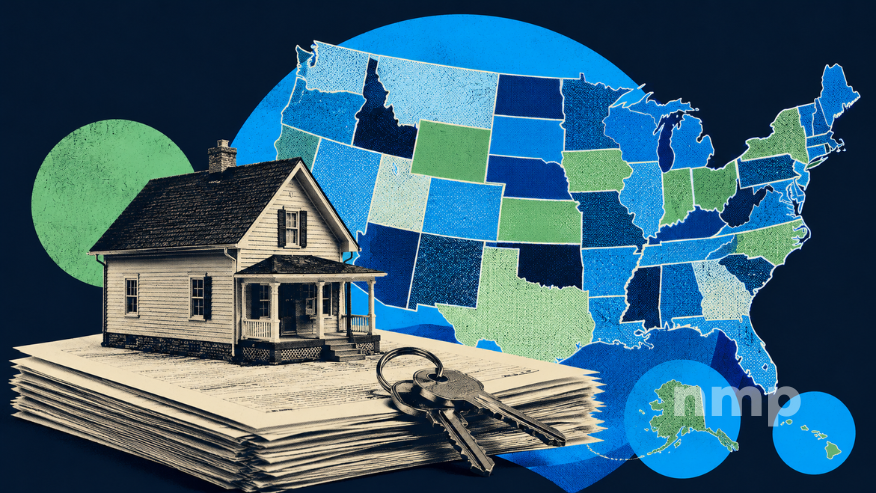
According to LodeStar Software Solutions' 2024 vs. 2025 Year-Over-Year Mortgage Closing Cost Report, average purchase loan closing costs fell 2.9% nationally, largely because lower home prices reduced transfer taxes in many markets. However, the report also found that affordability continues to vary dramatically by location, with 23 states posting higher closing costs than a year earlier while 28 states and the District of Columbia recorded declines.
For loan officers, the findings serve as another reminder that borrower affordability extends beyond mortgage rates, home prices and down payments. State transfer taxes, recording fees and other jurisdiction-specific charges can significantly influence a borrower's total cash-to-close and, in some markets, become an unexpected hurdle late in the transaction.
The report found the largest year-over-year decline in the District of Columbia, where average closing costs dropped 21.1%. Because the district has some of the nation's highest transfer taxes, declining home prices produced an outsized reduction in total closing costs. Even so, Washington, D.C., continues to have the highest dollar-value closing costs in the country.
At the other end of the spectrum, Delaware remained the nation's most expensive state relative to a home's sale price, with closing costs equal to 3.06% of the purchase price after a 4.5% increase driven by rising home values.
Refinances Still Carry Regional Surprises
The report also found refinance activity increased 7.8% year over year, with refinance closing costs averaging less than half those of purchase loans nationwide.
However, borrowers in New York and Florida continue to face unusually high refinance costs because certain taxes are assessed on the loan or note amount rather than only on property transfers, meaning they apply to both purchase and refinance transactions.
Another emerging trend highlighted in the report is the growing use of recording fees to fund programs unrelated to real estate transactions, including affordable housing initiatives and homelessness services. According to LodeStar, many borrowers have little visibility into how those fees are allocated despite paying them at closing.
"The connection between closing costs and housing affordability is often overshadowed by other components to the equation, like interest rates and down payments," said Ron Carvalho, director of data operations at LodeStar. "However, our data shows that decisions made at the state level on recording taxes and document fees have a direct impact on borrowers' total financial ability to purchase or refinance their home. Knowing what's happening with these costs helps lenders provide accurate guidance to their borrowers in their homeownership journey."
While falling home prices helped lower average closing costs nationally, LodeStar's findings suggest mortgage professionals should continue preparing borrowers for significant regional differences. As state and local governments increasingly rely on taxes and recording fees to fund a variety of programs, understanding those costs early in the mortgage process may become just as important as explaining interest rates or monthly payments.