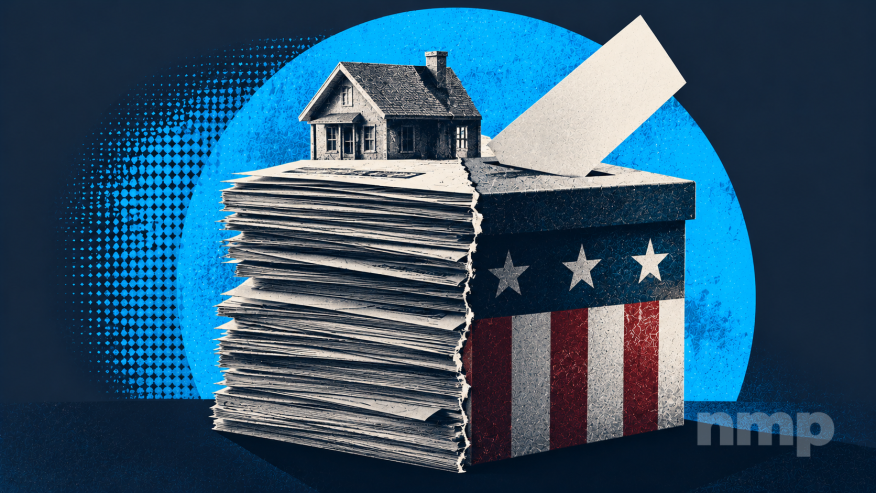
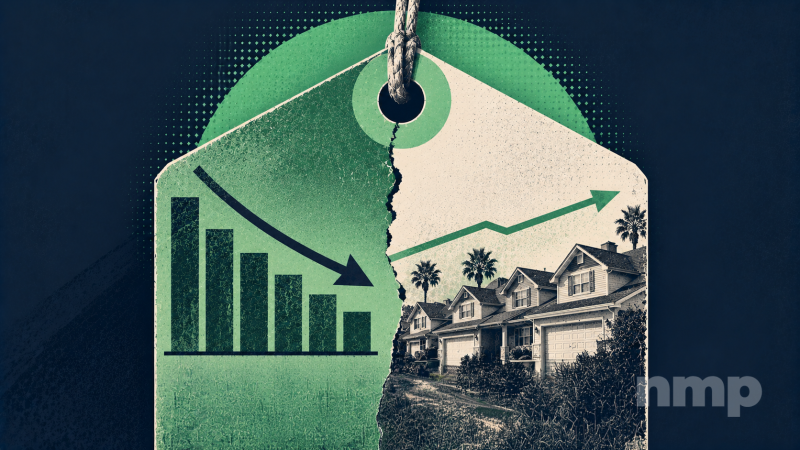
Americans want Congress to make housing more affordable. A sizable share also blames the companies financing their homes for the crisis.
Thirty-three percent of respondents hold mortgage lenders and banks responsible for the housing affordability crisis, according to a new survey from Clever Real Estate, a low-commission real estate brokerage. That matches the share blaming homebuilders and developers and sits below corporate and institutional investors at 37%. The Trump administration drew blame from 48%.
The findings put an uncomfortable industry perception inside a broader election story: consumers want relief, doubt Washington will deliver it, and include lenders among those responsible for their frustration.
Housing Matters, But Expectations Are Low
Clever’s survey of 1,000 Americans found that 74% believe the country is experiencing a housing crisis, and 70% say housing costs are a bigger issue in this election than in 2024.
Seventy-eight percent want the next Congress to make housing affordability a priority. Yet 63% do not think the midterm elections will have a positive impact on the housing market.
Among respondents who plan to vote, 85% say housing affordability is at least somewhat important when choosing candidates. Across the full sample, however, 64% do not know their congressional candidates’ positions on housing.
The frustration could loosen party loyalty: 41% would consider crossing party lines for a candidate with a strong housing plan. That rises to 51% among respondents who struggle to afford their housing payments, compared with 36% among those who do not.
Voters Want A Smaller Bill
Reducing property taxes attracted support from 60% of respondents, followed by reducing homeowners insurance costs and lowering mortgage rates, each at 53%. A combined option covering lower closing costs and real estate commissions received 38%.
Meanwhile, 90% expressed concern about rising property taxes, 88% about homeowners insurance costs, and 76% about rising mortgage rates.
That creates a challenge for mortgage providers campaigning on affordability: a more competitive loan can address part of the expense, while taxes and insurance continue to shape the payment a borrower can carry.
As NMP previously reported, rising insurance costs can complicate mortgage qualification, making property-specific estimates increasingly important early in the transaction.
The Industry Has Its Own Affordability Agenda
The consumer findings arrive days after the Mortgage Bankers Association released its “Affordability in Action” policy roadmap.
MBA’s recommendations include reducing and aligning the government-sponsored enterprises’ loan-level price adjustments for purchase mortgages, reducing FHA annual mortgage insurance premiums, changing credit-report requirements for lower-risk borrowers, and lowering title insurance costs. The proposals seek administrative and regulatory changes; they are not benefits borrowers can assume are available today.
The business implication extends beyond November. Winning a borrower’s confidence requires showing which costs the lender can influence, explaining those it cannot, and making any claimed affordability improvement visible in the borrower’s actual numbers.