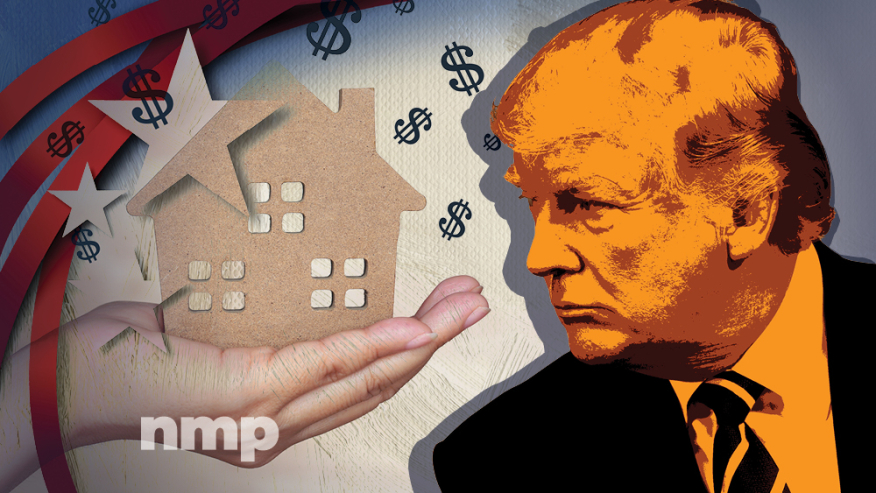
During his 2026 State of the Union address President Donald Trump highlighted declining mortgage costs and outlined his administration’s strategy to improve housing affordability through lower interest rates, deregulation, and expanded housing supply.
While addressing cost-cutting for Americans during the first year of his second term, Trump said mortgage affordability has already improved, noting that the “annual cost of a typical new mortgage is down almost $5,000” since he took office, attributing the decline to falling inflation and interest rates. He argued that stabilizing inflation and maintaining lower borrowing costs would continue easing financial pressure on homebuyers, while preserving home values for existing homeowners.
Central to Trump’s housing message was his emphasis on interest rate policy and its broader impact on affordability. He framed lower rates as a key to restoring balance in housing markets, suggesting that improved borrowing conditions would allow more Americans to qualify for mortgages without triggering a sharp decline in home prices.
The president also signaled support for policies aimed at expanding housing supply, an issue widely cited by economists as a primary driver of affordability challenges. While he did not detail specific regulatory changes in the speech, Trump referenced housing affordability reforms as part of his broader economic agenda, which he said is designed to reduce costs and increase access to homeownership.
"Unlocking existing inventory, streamlining regulatory barriers, incentivizing new construction, and supporting responsible development are all essential components of addressing housing affordability," said Shannon McGahn, EVP and chief advocacy officer of the National Association of Realtors (NAR). "That includes reforming outdated capital gains thresholds that have not been updated in decades and now discourage longtime homeowners from selling, reducing mobility and limiting the number of homes available for new buyers."
Trump linked housing conditions to broader economic performance, asserting that declining inflation, lower fuel costs, and stronger wage growth have improved overall household financial stability. He presented these trends as part of a wider economic recovery that has helped reduce borrowing costs and improve consumer confidence.
Trump concluded by framing housing affordability improvements as part of a broader economic resurgence, positioning lower mortgage costs and increased access to homeownership as key components of his administration’s economic priorities.